General News
Things definitely feel a little different in Deltaland without Ms. Lorrie, but it’s been smooth sailing, and the kiddos have adjusted to the change well! We look forward to hearing from her as soon as she is feeling better. The middle school dance is today! We can’t wait to see everyone dressed up and ready to have a coming-of-age event!
ELA
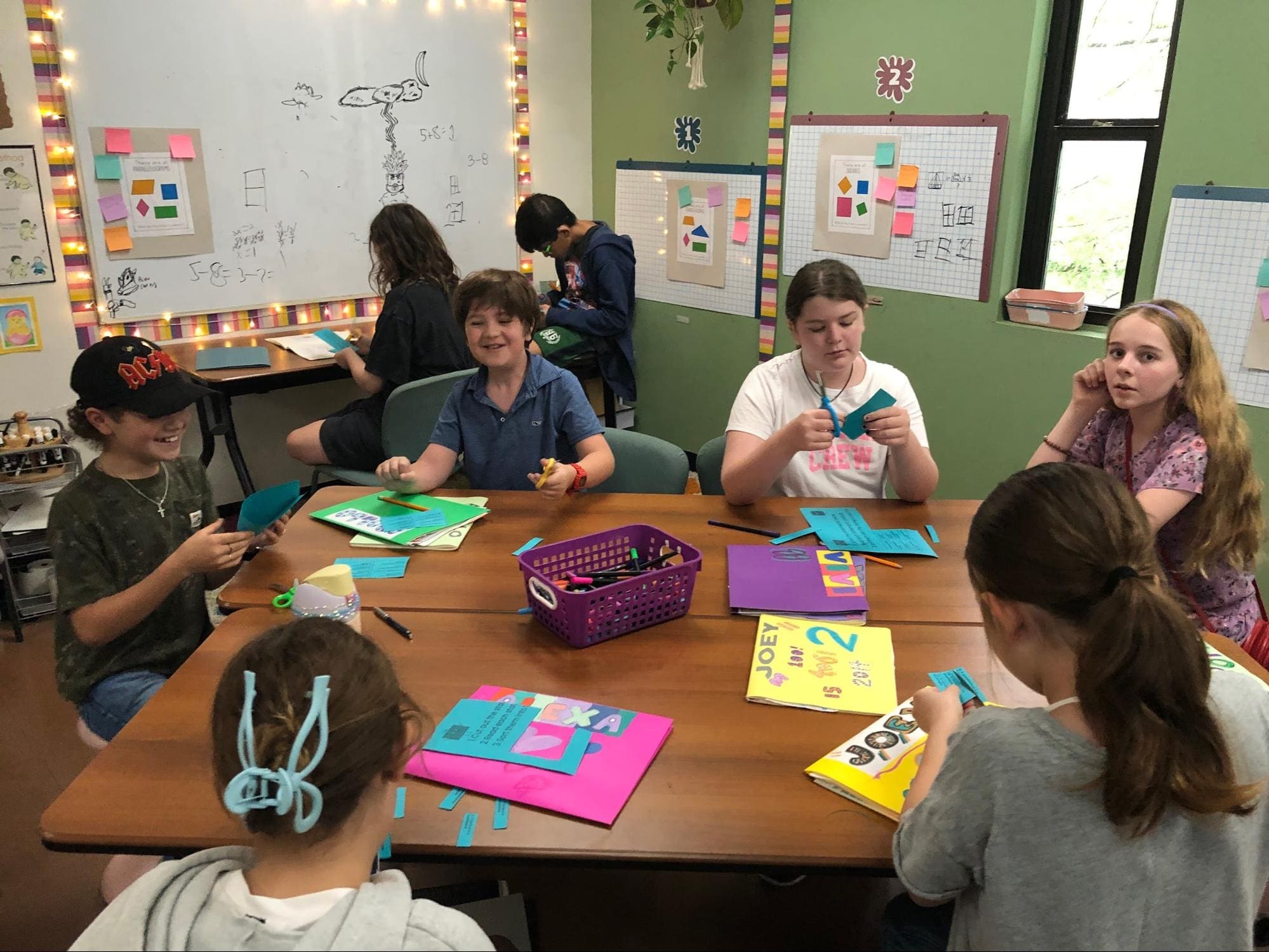
This week we flexed our creative and sci-fi writing muscles while also incorporating some of our discussions and vocabulary words we’ve been using to talk about theoretically colonizing Mars. We have been discussing common reasons for migration and colonization, using terms like push/pull factor, habitat, settlement, etc. Working off of a sample story, we created our own stories about a journey to a different planet and explored the challenges and advantages of such a venture through our writing. We started off with a brainstorming and world building session, thinking about setting, characters, problems, and sequencing of events. Then we got to work typing up our stories for a fun, quick week of writing. We got so into this project we decided to make covers and display them at POP! We’ve really picked up the pace with our writing skills this year – something to feel very proud of!
Math
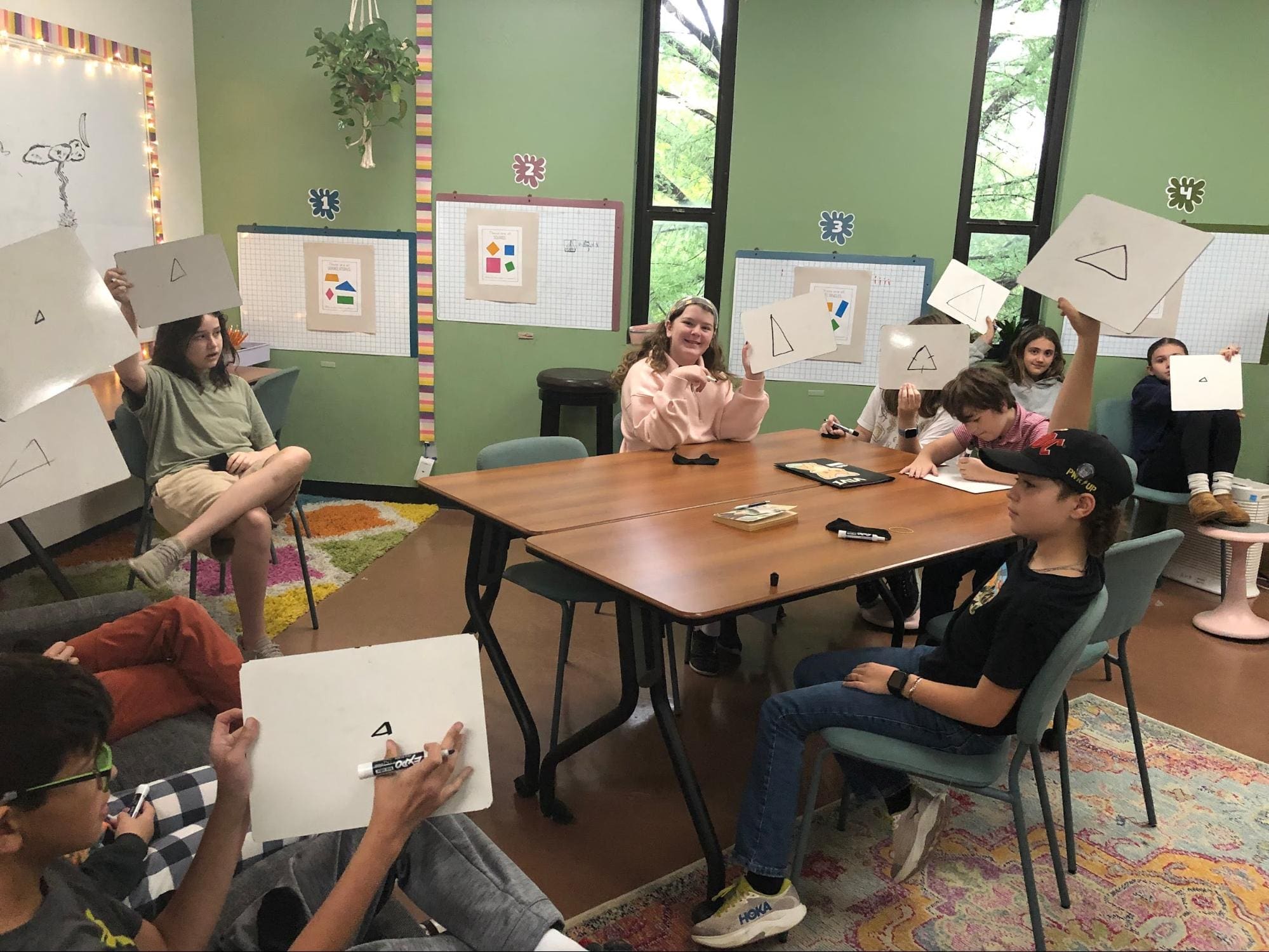
The Deltas worked hard in math class this week, tackling new topics with curiosity and tenacity! The Year 1 students jumped into geometry, reviewing important vocabulary and classifying polygons. We reviewed how to classify polygons by the number of sides and how to classify triangles by their side lengths and angle measurements. Then, we jumped into new territory: classifying quadrilaterals. They played art critics at a quadrilateral art show, observing the similarities and differences between different types of quadrilaterals. They also attended a quadrilateral fashion show, where it was their job to name each quadrilateral “model” based on their attributes. They wrapped up the week by starting a quadrilateral design project where they designed a room or other space using the different types of quadrilaterals that they had learned about this week.
The Year 2 students tackled the volume of prisms this week. While this is a skill that they have learned in the past, we took a new approach to finding volume: calculating the area of the base of the prism, then multiplying by the height. This allows us to calculate the volume not just of rectangular prisms, but of prisms with different polygons as bases (even cylinders!). This week, we calculated volume for both rectangular and triangular prisms. Additionally, the Year 2 students spent one math block this week with Ms. Amanda to complete an algebra readiness assessment that will help to inform her math instruction for next year.
Theme
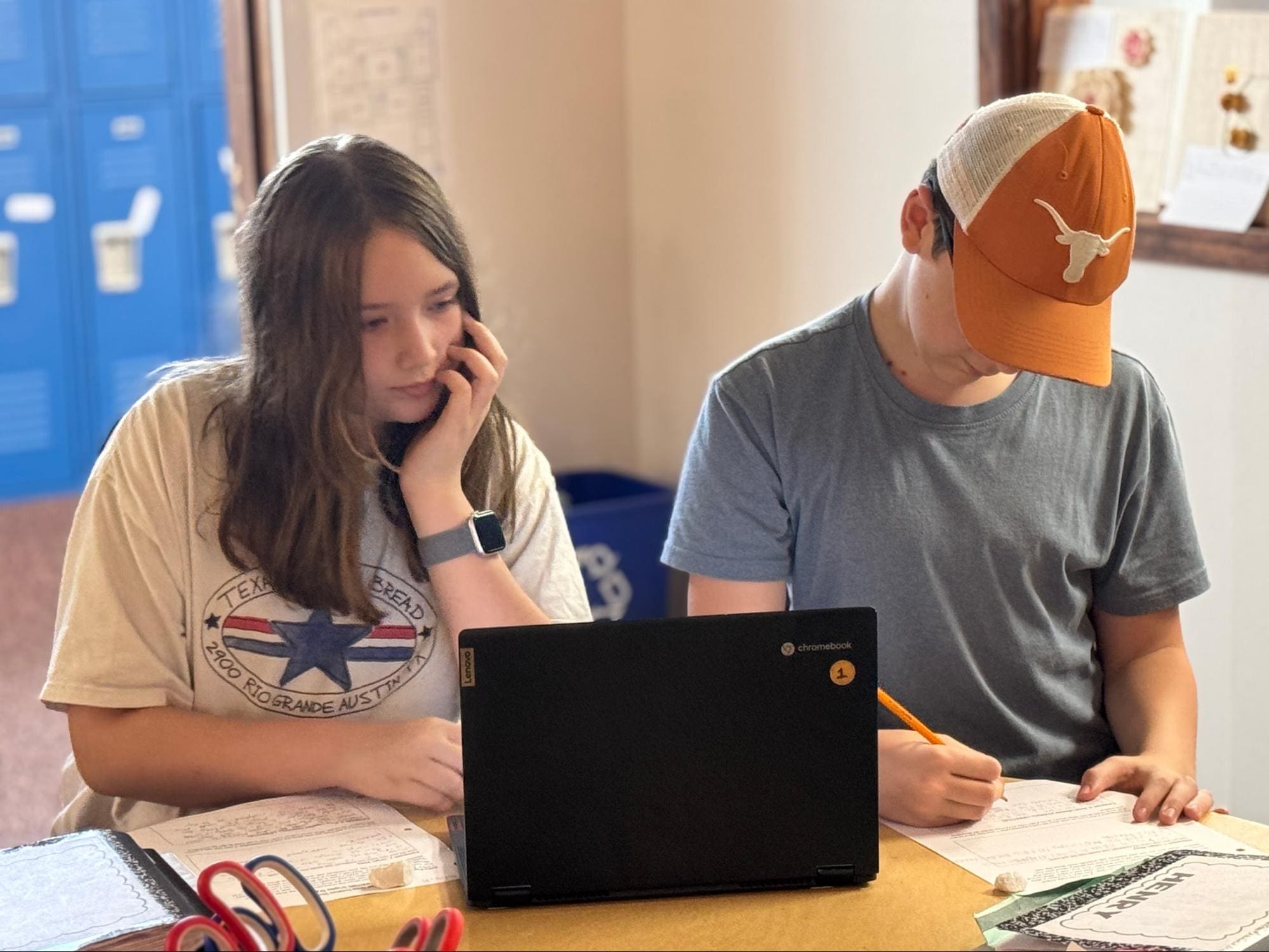
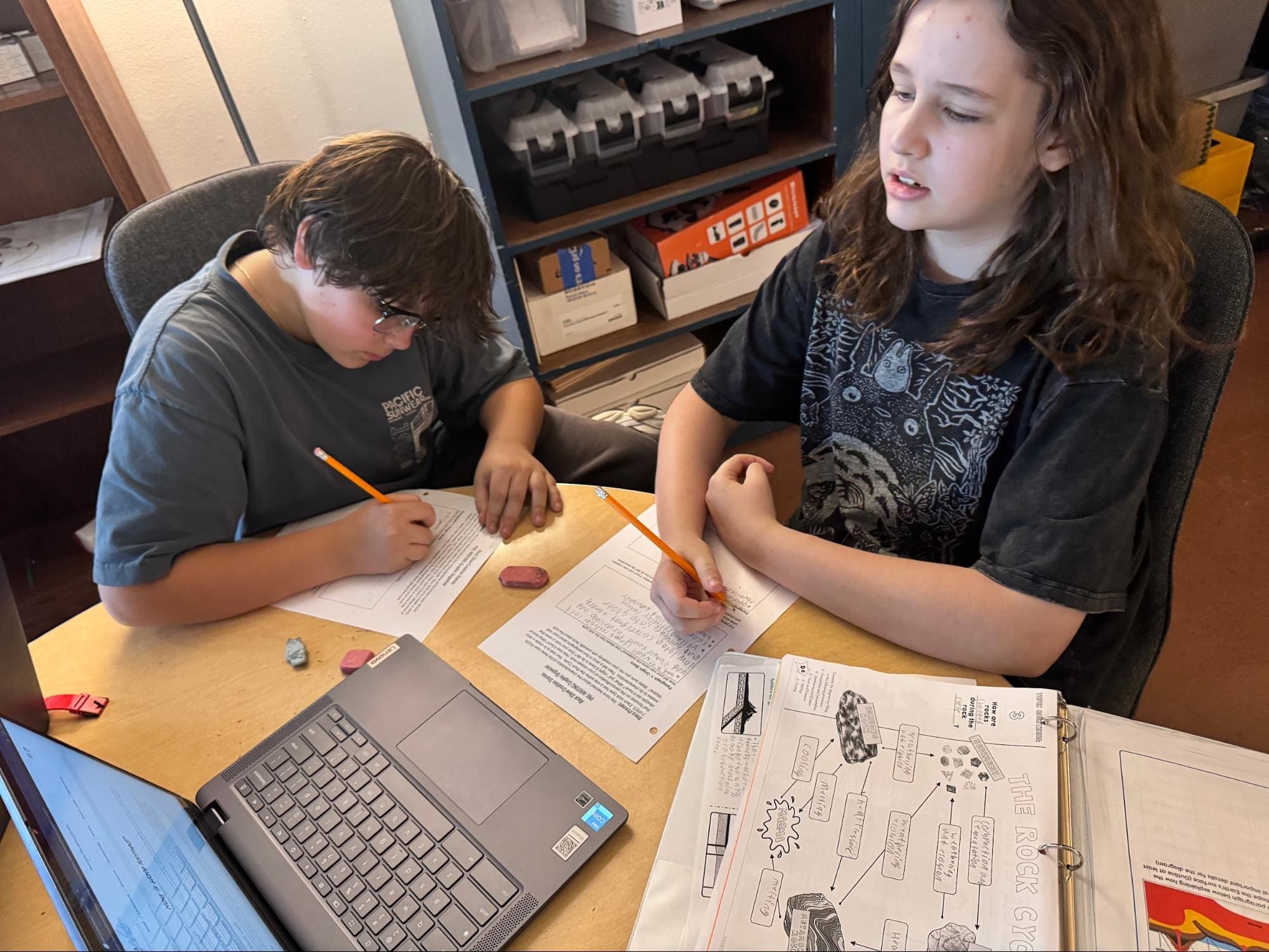
This week in Theme, our Delta students explored the fascinating processes of the rock cycle and discovered how Earth’s materials are constantly changing over time. Students learned to identify the three main types of rocks—igneous, sedimentary, and metamorphic—and studied how each type forms. They examined how igneous rocks are created when molten magma or lava cools and hardens, how sedimentary rocks form when layers of sediment are compacted and cemented together, and how metamorphic rocks are changed by intense heat and pressure deep within Earth.
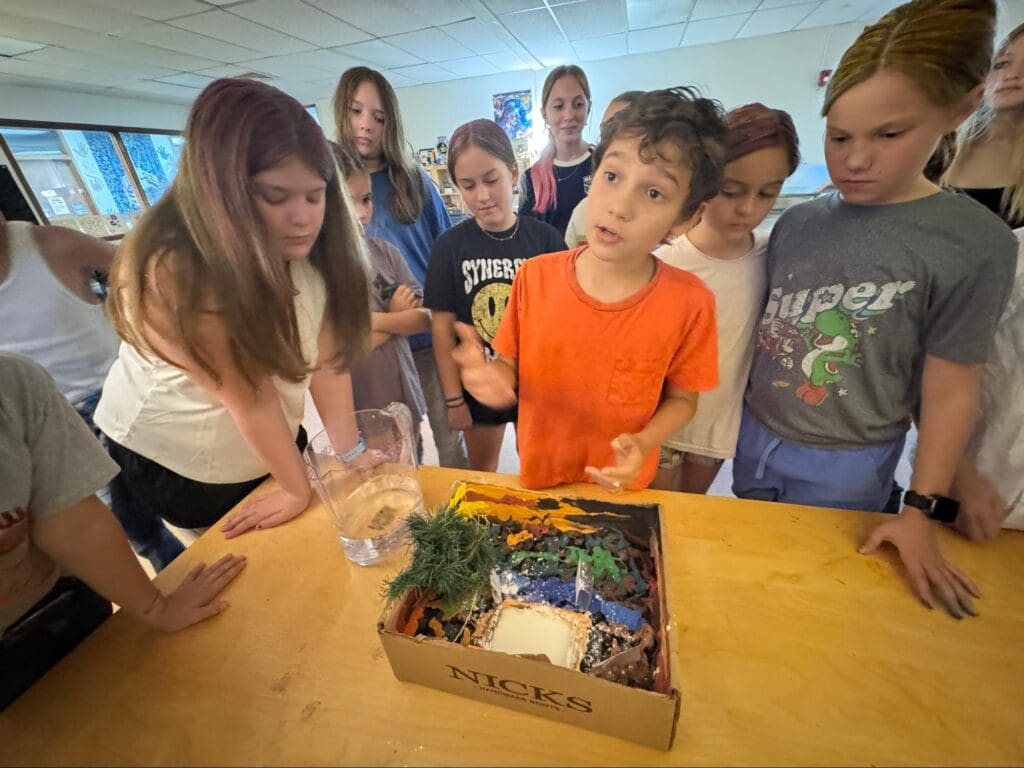
Students also worked with a hands-on rock cycle model, carefully labeling each stage and the processes that connect them. They traced how rocks can melt into magma, cool into igneous rock, weather into sediments, become compacted into sedimentary rock, or transform under heat and pressure into metamorphic rock. Through this activity, students saw that rocks do not follow one single path, but can change in many different ways over millions of years.
Looking ahead, students will use their creativity in an upcoming writing assignment by creating an original short story about a chosen rock traveling through the rock cycle. Their stories will describe the rock’s “life journey” as it changes forms through weathering, erosion, melting, cooling, heat, and pressure. This project will combine science knowledge with imaginative storytelling, helping students demonstrate their understanding in a fun and memorable way.
| 
| 
|
 |