
Math:
Both classes started Monday with solving a logic problem to find their assigned seats along with binder setup, and expectation and procedures overview. Tuesday, both classes jumped into math. The 7th graders classified numbers on Tuesday, added and subtracted integers on Wednesday, and added and subtracted rational decimals on Thursday. Algebra students had lessons over distributing, solving multi-step equations, and solving equations with variables on both sides. It was a great first week!
Humanities:
Jumping right into our procedures and norms, Humanities students spent the week demonstrating their writing skills as we reviewed our summer reading assignments. Students reported on both classic books and their own preference books from the exercise.
We also began our procedures for our novel study. We are reading Johnny Tremain by Esther Forbes in connection with our history theme of English Colonization and Revolution. We learned about the main characters, setting, and the basic premise of the story, while modeling the responses expected for ongoing P&P assignments. The students are showing strong writing skills which we will continue to develop this year.
Social Studies:
Great start to the new school year as we dive right into a new schedule and topic in US History. We are investigating the reasons for and impact of the creation of the English Colonies in North America. We started with a simulation of the Columbian Exchange and how contact between the continents shaped the future civilizations that grew, including the devastation brought by disease. More than a few students ended up on the ground from measles and smallpox at the end of the simulation
We also began to investigate how the geography of North America affected early settlement and the creation of the colonial economy. Each team member leant their expertise to the group to build an annotated map of the colonies during the era.
Science:
We had an awesome start to Ecology! Students learned the definition of ecology, the difference between biotic and abiotic factors, and the 5 levels of organization: organism, population, community, ecosystem, and biosphere. We went on a scavenger hunt outside to spot biotic and abiotic and how they interact with each other. Inside we worked in pairs to identify which level of organization was on a given card. Some example cards are: 1) One gray squirrel sitting on a fence, 2) All the gray squirrels in Central Park, 3) Squirrels, oak trees, hawks, and worms living together in a forest, 4) Central Park including the soil, ponds, air, and all living things, and 5) All the ecosystems on our planet. Next week we will start our schoolyard ecology journals, and begin our energy flow unit.
Spanish 1A: Explorando mundos:
Familias de AHB, we are off to an amazing start! This week we explored where Spanish is spoken around the world, and many places we encounter Spanish usage in our everyday lives. Living in Texas, it wasn’t too hard to relate personal experiences with Spanish. We hear Spanish everywhere from music blasting in cars passing by, restaurants, and even on the soccer field. We used the Shakira’s World Cup anthem Dai Dai to open up a little learning about the country of Colombia. By the end of this week, our exploradores are able to greet people in Spanish and ask how they are doing. They are also able to spot so many cogantes. Cognates are words that look and sound similar in Spanish and English. Spotting these will be super helpful throughout their Spanish journey.
See more pictures below ….
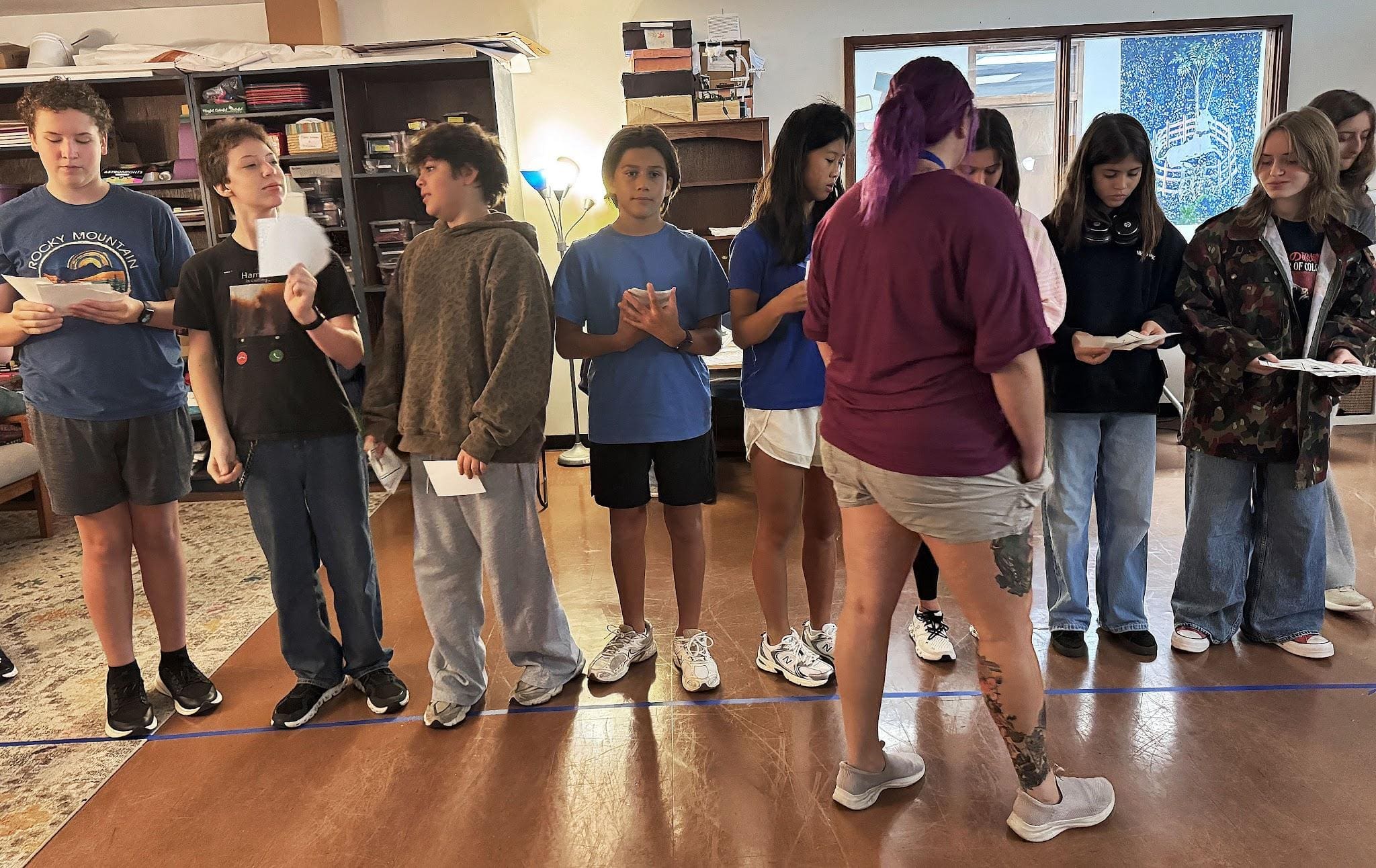
Epsilon students kicked off the new school year with a simulation focusing on the effects of the Columbian Exchange, where European settlers traded products between the Old and New World, including diseases. Students traded products only to find out that they contracted the diseases at the end of the simulation.
AT TOP: History students trade products to stimulate early colonization in North America. Above: the first Epsilon PE class played a flipping game with new equipment bought by the administration over the summer. It was a big hit.
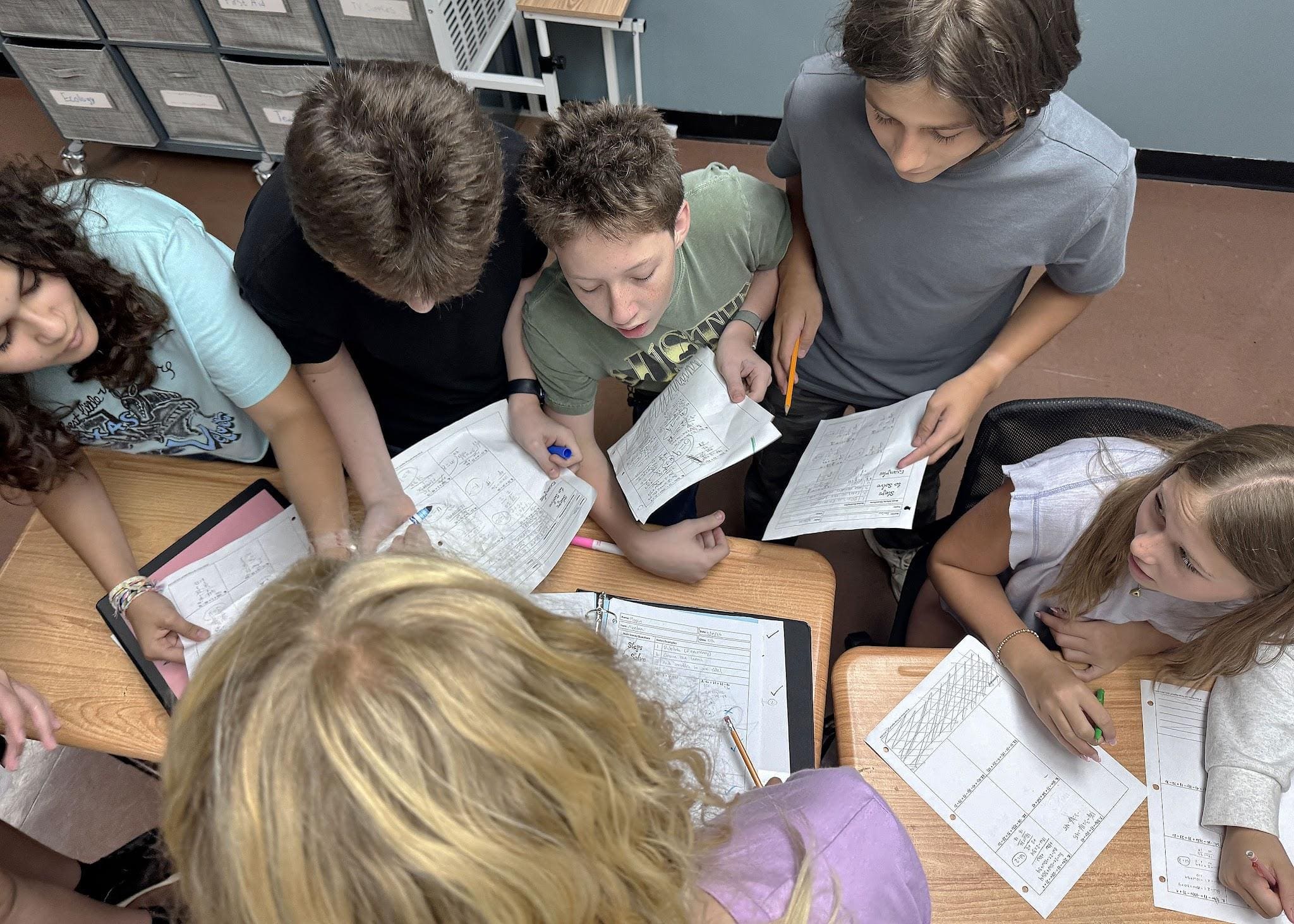
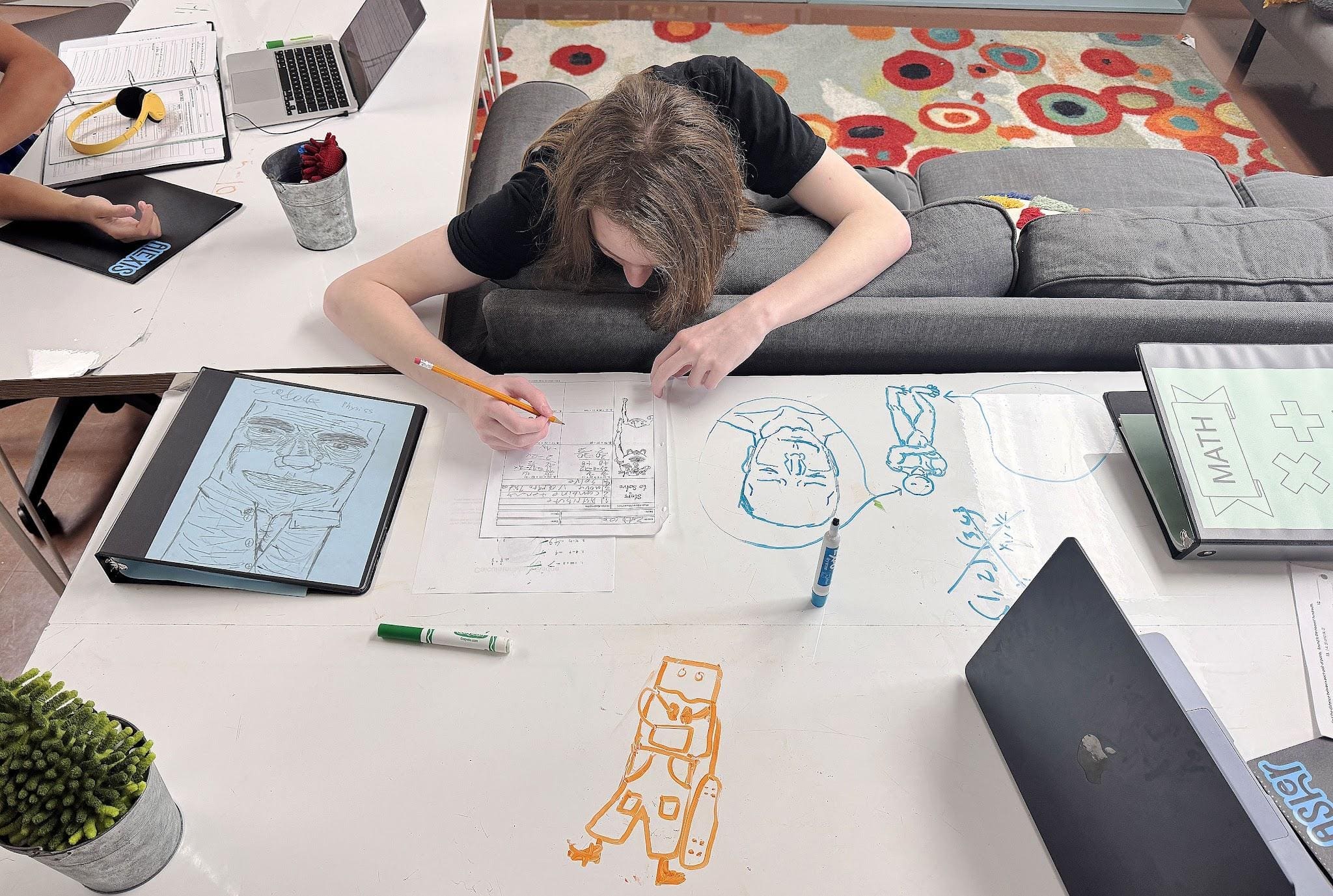
Algebra students working hard!
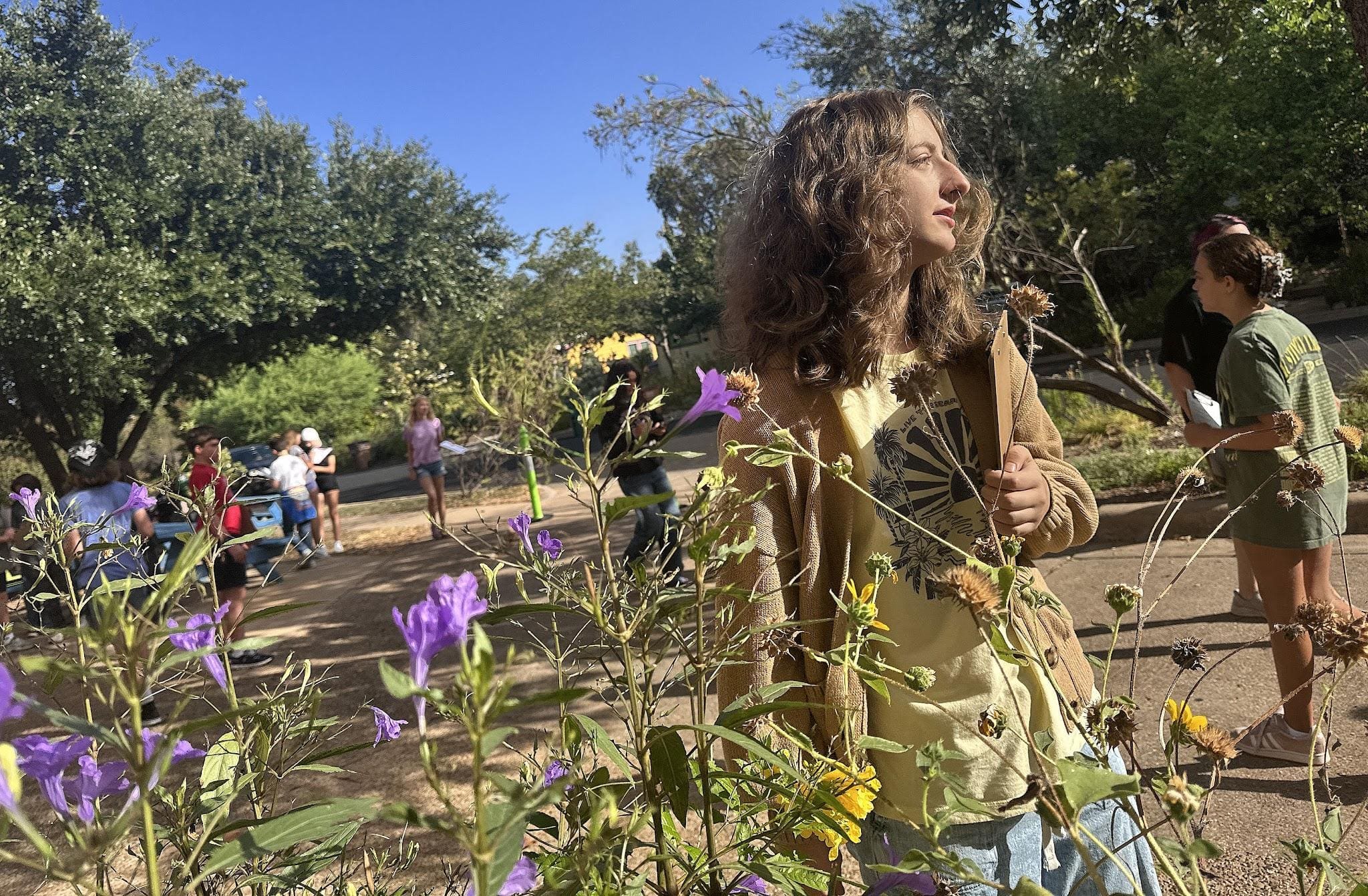
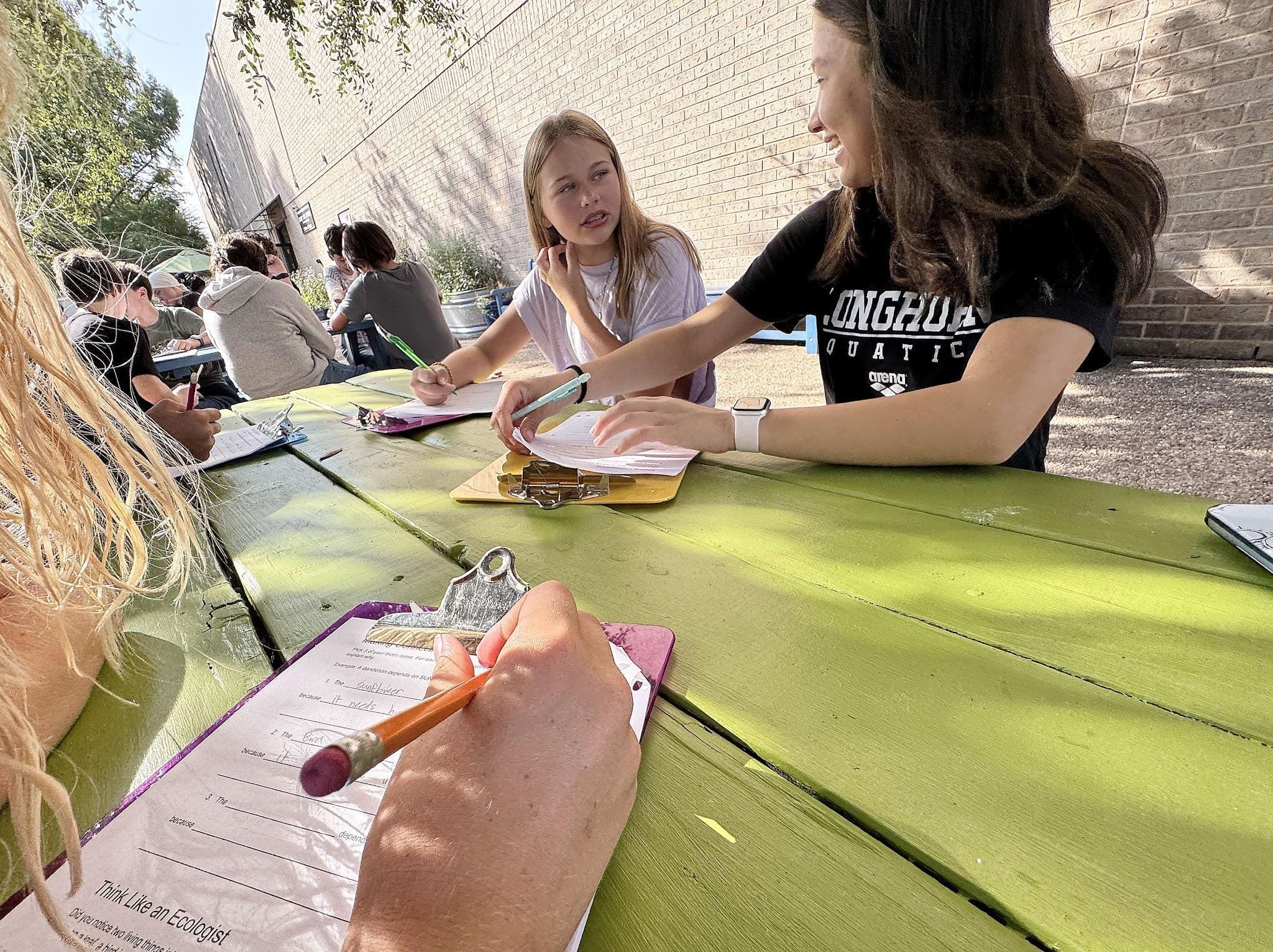
Hunting for biotic and abiotic factors and analyzing how they interact.
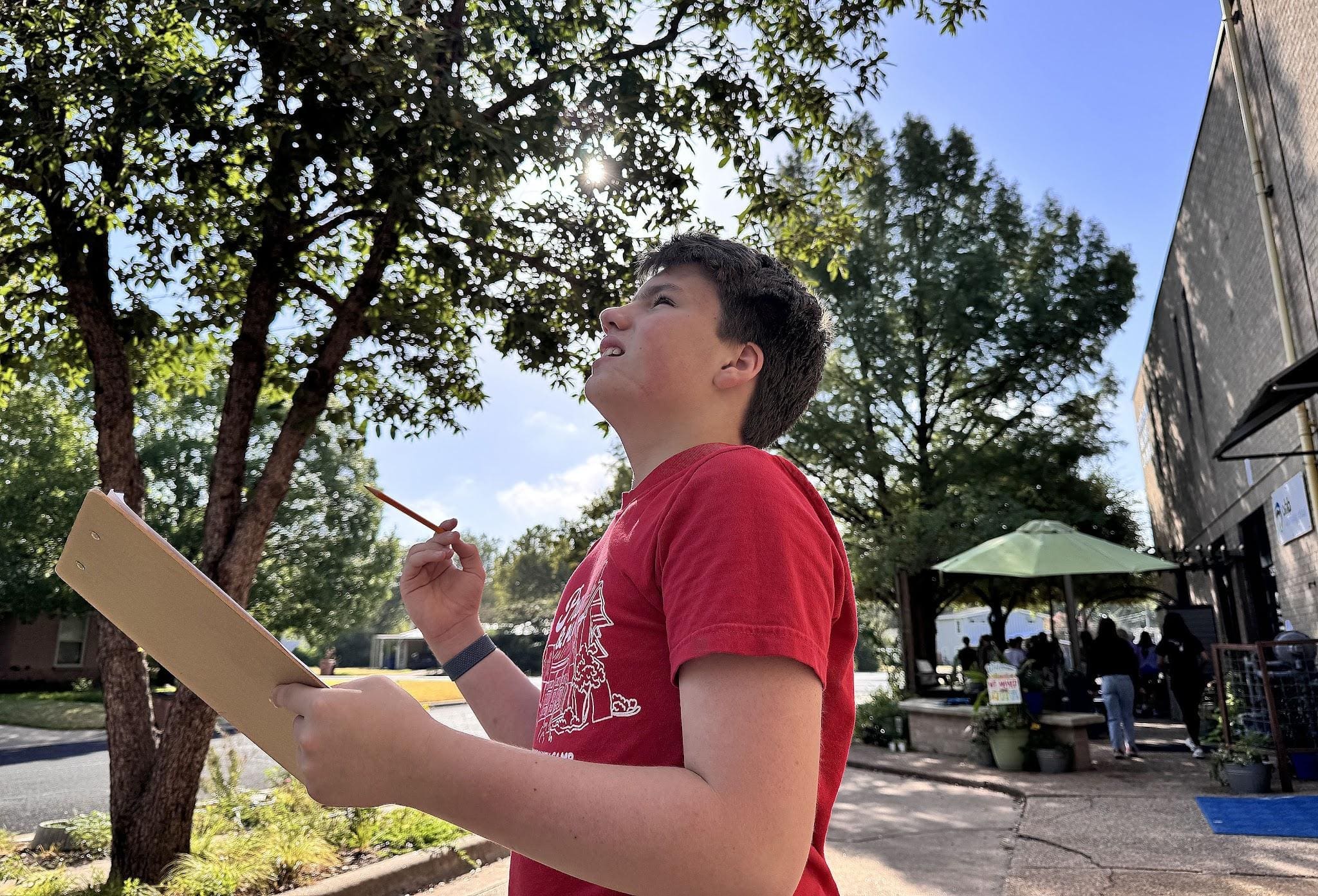
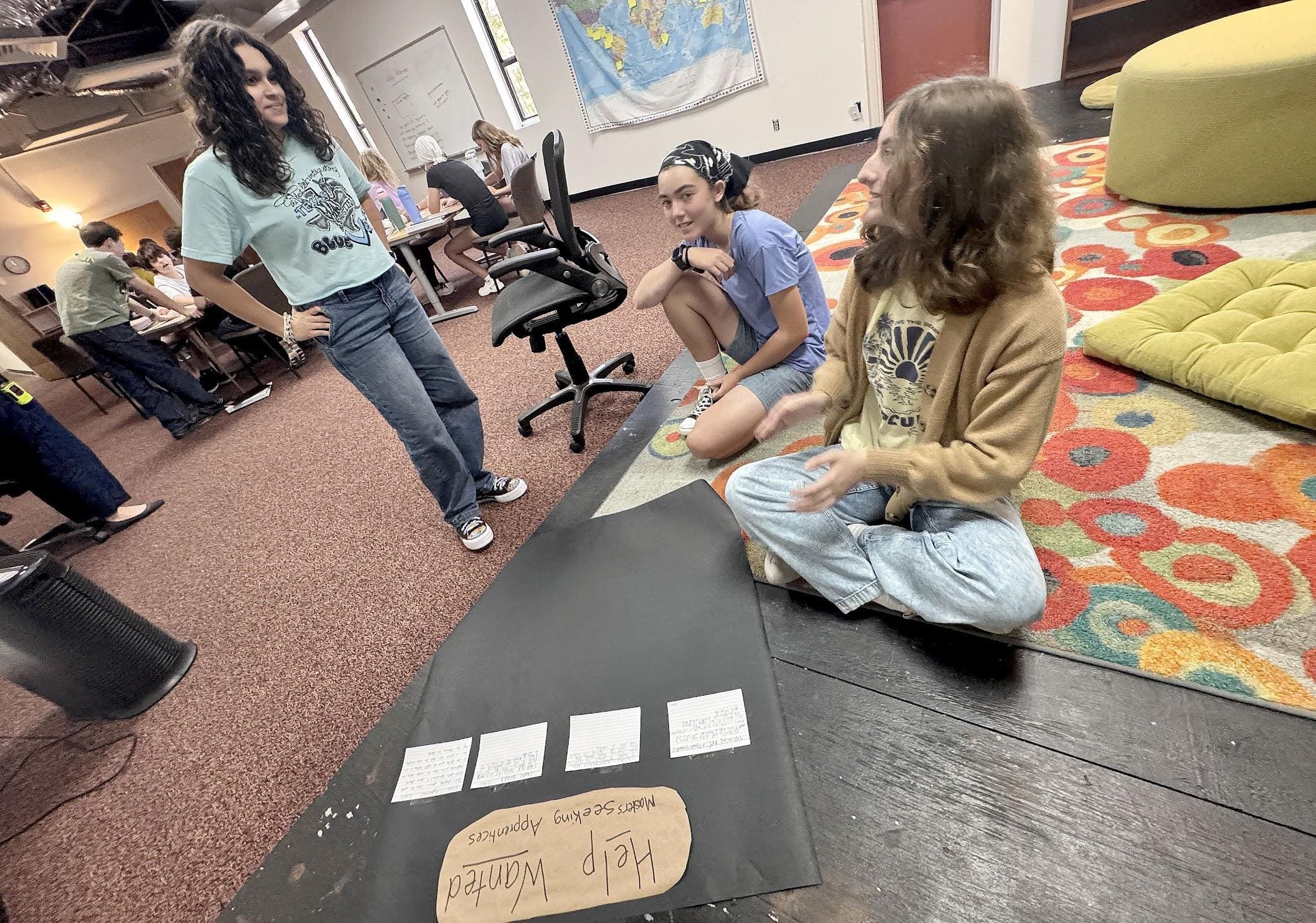
AT TOP: Our first week of Science class took the students outside to find Biotic and Abiotic examples. ABOVE: Humanities students create Help Wanted ads to connect with their new novel study.