General News
Thank you for all the amazing teaching appreciations this week! The gifts of quiet time, food, and so much more in the middle of the hectic school day were so thoughtful and spot on! We are so grateful to teach at a school that recognizes teachers and put so much effort into a thoughtful, curated teacher appreciation week.
ELA
This week in ELA, we wrapped up our two writing projects from our Mars colonization discussion. We had thoughtful discussions about our book and P&P, finished typing and polishing our persuasive essays, and tied up some loose ends with our sci-fi stories. Students also completed a reflection activity connected to POP (you may have seen an email about this already!), and the speech writing homework portion will be coming home next week. We are also finishing up A Rover’s Story with some fun summative activities, including writing interview questions for Res, revisiting meaningful moments from the book, and creating comics inspired by scenes they connected with most. Next week students will have a check-in on A Rover’s Story and continue working through these final activities as we wrap up the unit.
Math
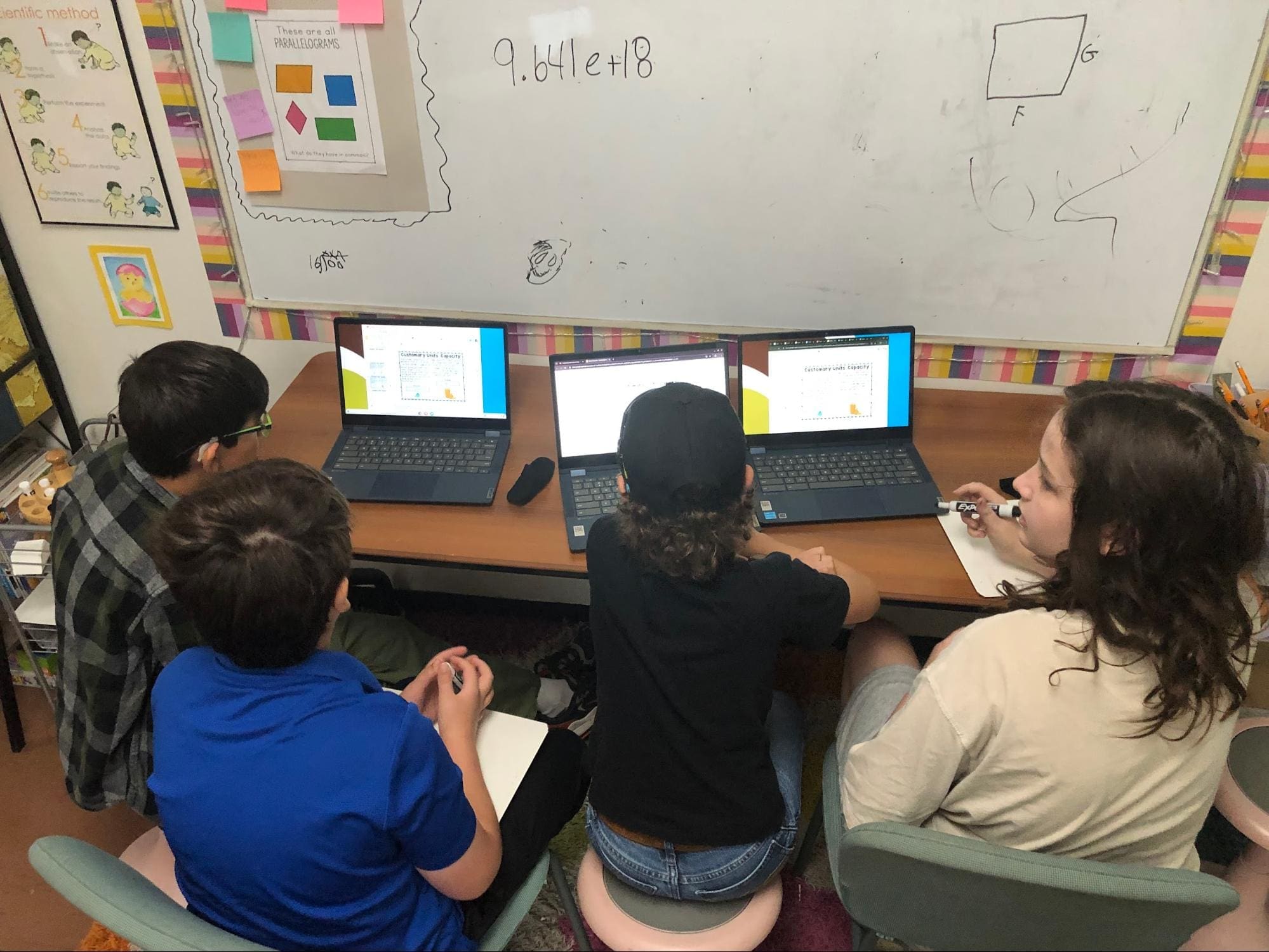
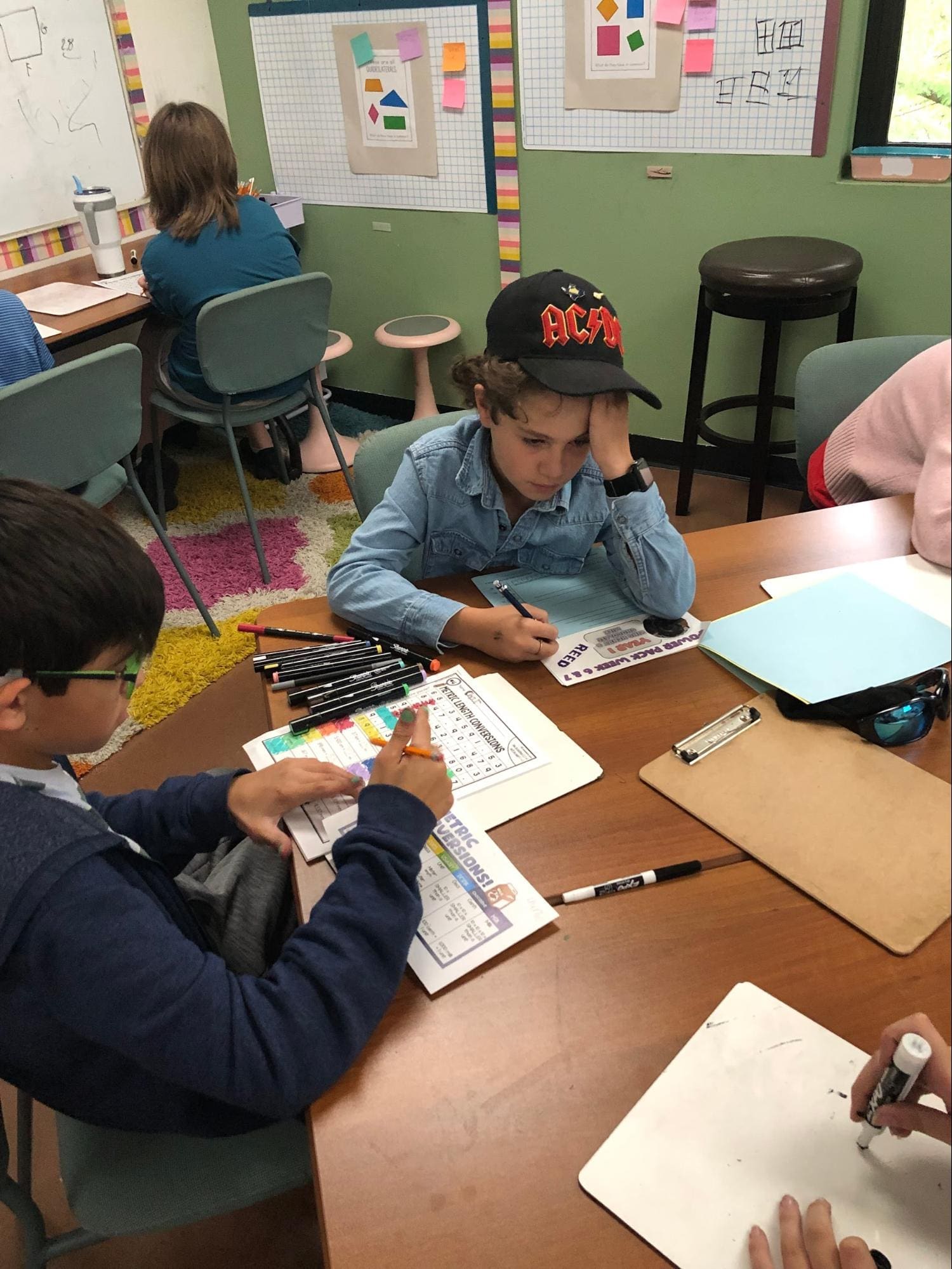
This week, both groups of Deltas tackled new mathematical topics. The Delta 1s explored measurement conversions, both for customary and metric units of length, weight/mass, and capacity. We learned a cheer, complete with arm movements, to help us remember when to multiply or divide during customary unit conversions (BIG BIG FEET, LITTLE LITTLE INCHES!), and found relief from some of our challenges when we encountered the base-10 metric system. We learned a shortcut for multiplying by powers of 10 (move the decimal to the right!) and dividing by powers of 10 (move the decimal to the left!). Sometimes, these conversions can feel counterintuitive, but the Delta 1s persevered and found success using the “tricks of the trade”.
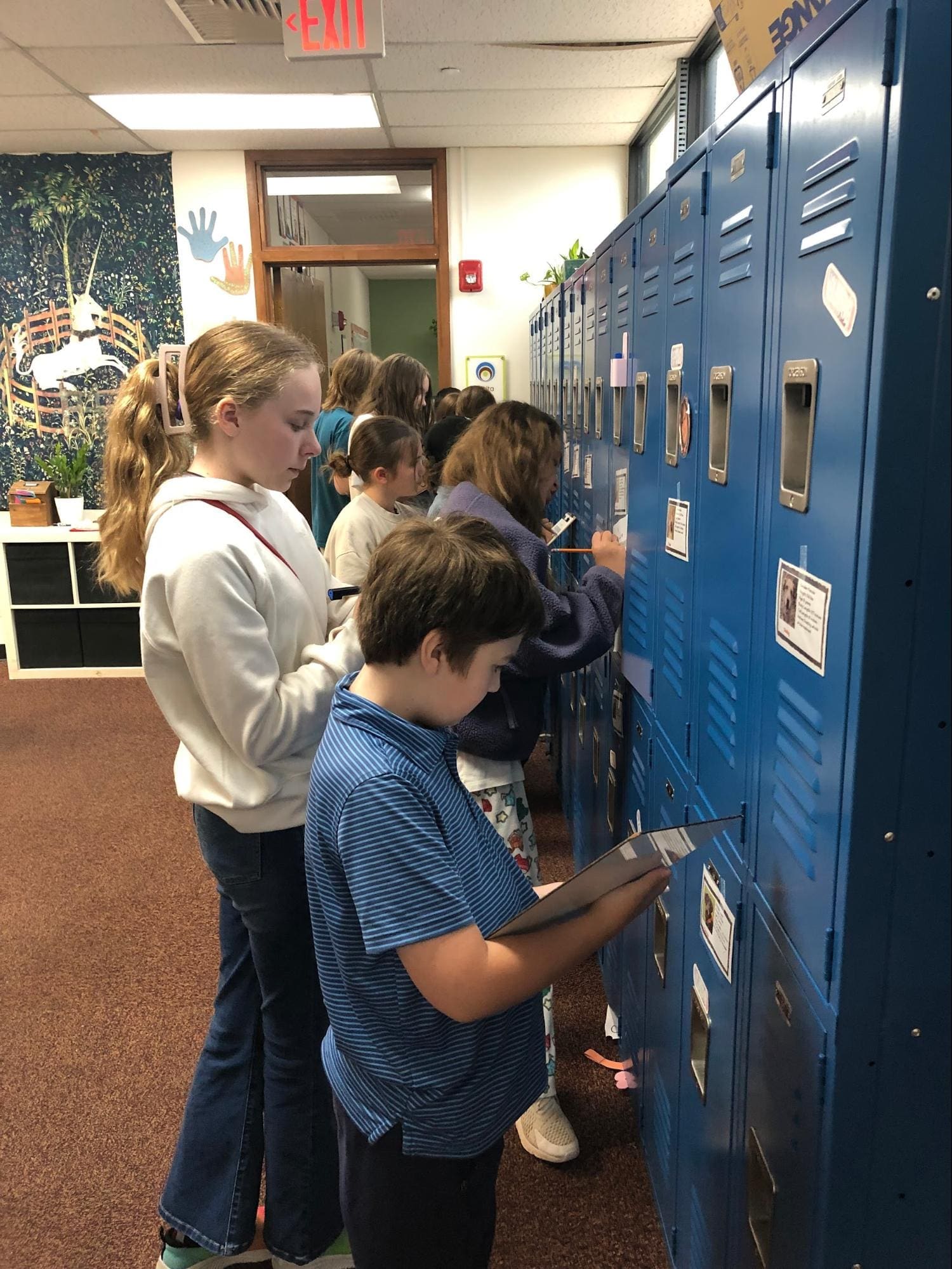
The Year 2 Deltas dove into data analysis and statistics. For our final project, they are acting as a data science team, analyzing the dog population at the local animal shelter. They collected data on 20 different dogs (age, weight, body length, and tail length), and learned how to calculate measures of center (mean and median) and measures of variability (range and interquartile range) for the data. In learning how to calculate interquartile range, we also discovered how to find the first and third quartiles of a data set. While many of the Delta 2s had previously learned about calculating the mean of a set of data, the median and measures of variability are completely new concepts. In addition, our data set of 20 dogs is larger than what they have worked with previously, challenging their perseverance and attention to detail. They have worked hard this week and are well on their way to becoming data science pros!
Theme
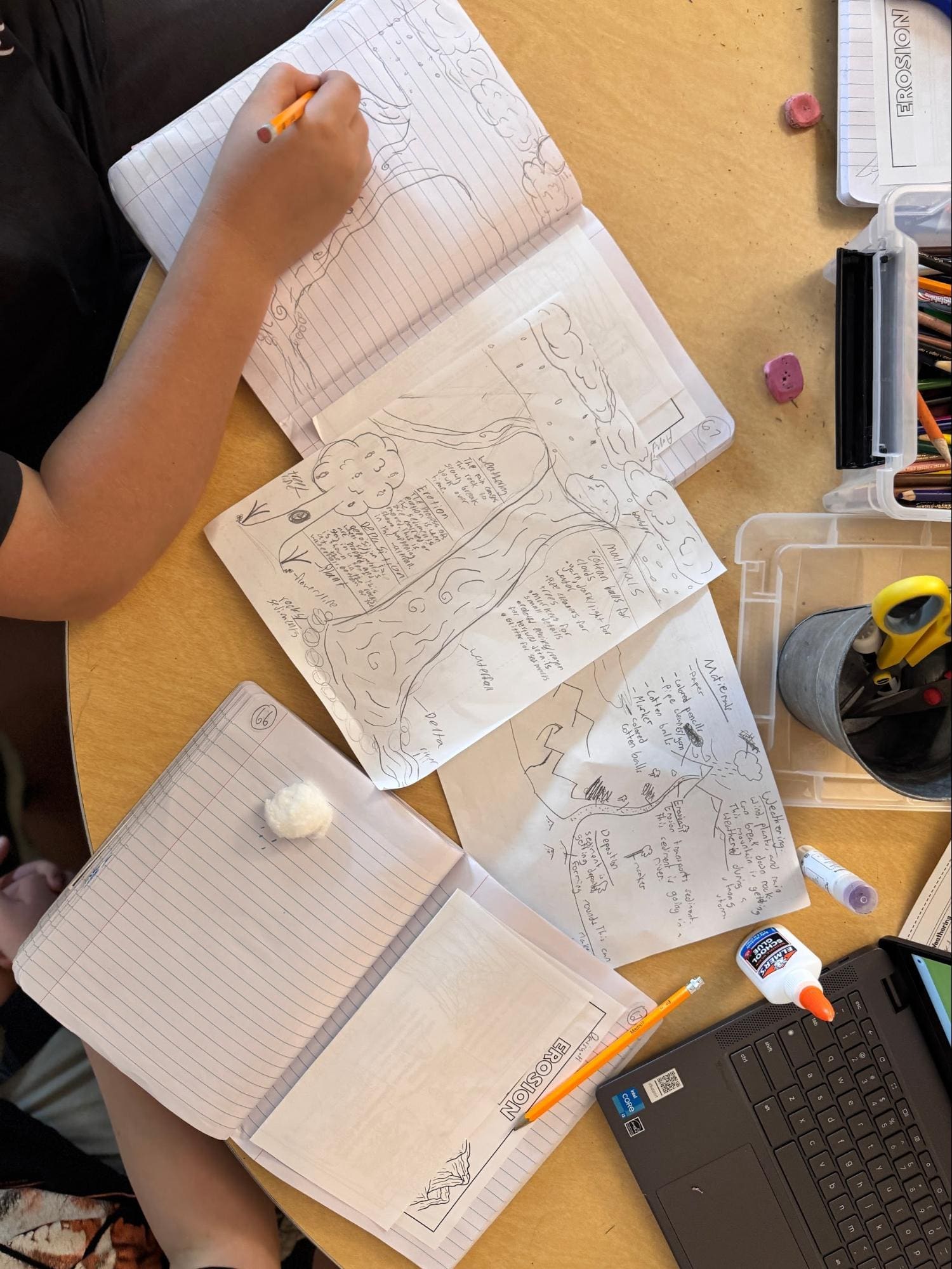
This week in Theme, students explored the powerful Earth processes of weathering, erosion, and deposition through hands-on activities and creative projects. Students investigated how rocks and landforms are slowly changed over time by wind, water, ice, gravity, and living organisms. Class discussions and demonstrations focused on identifying the differences between weathering, which breaks materials down, erosion, which moves materials, and deposition, which leaves sediments behind in new locations.
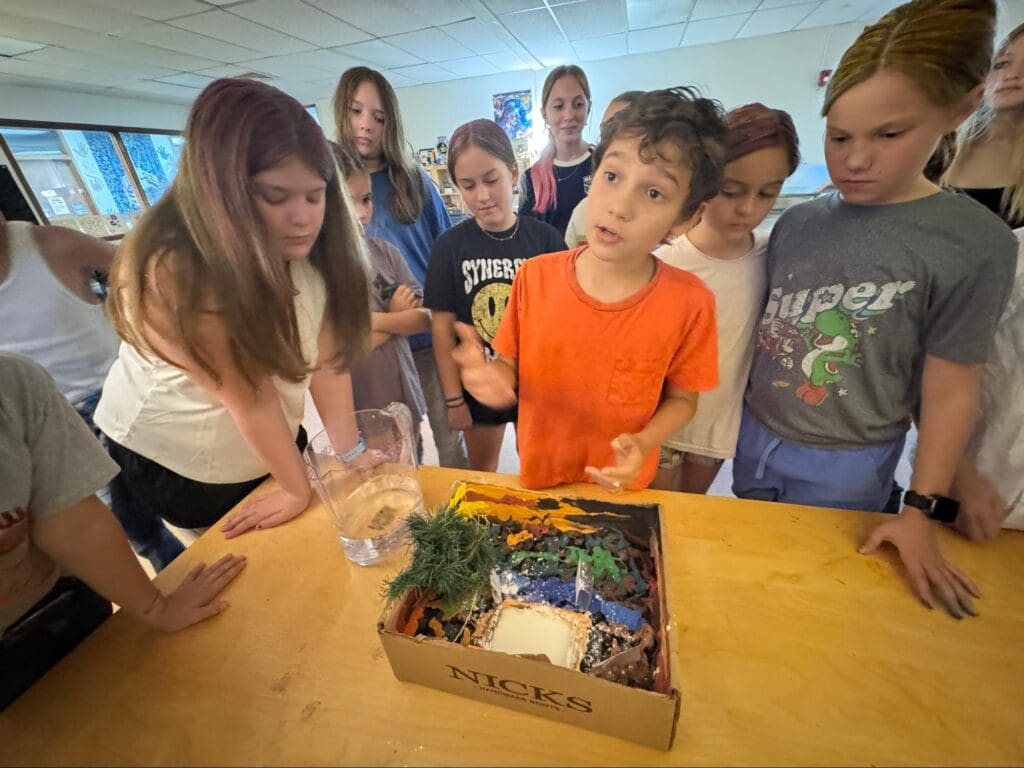
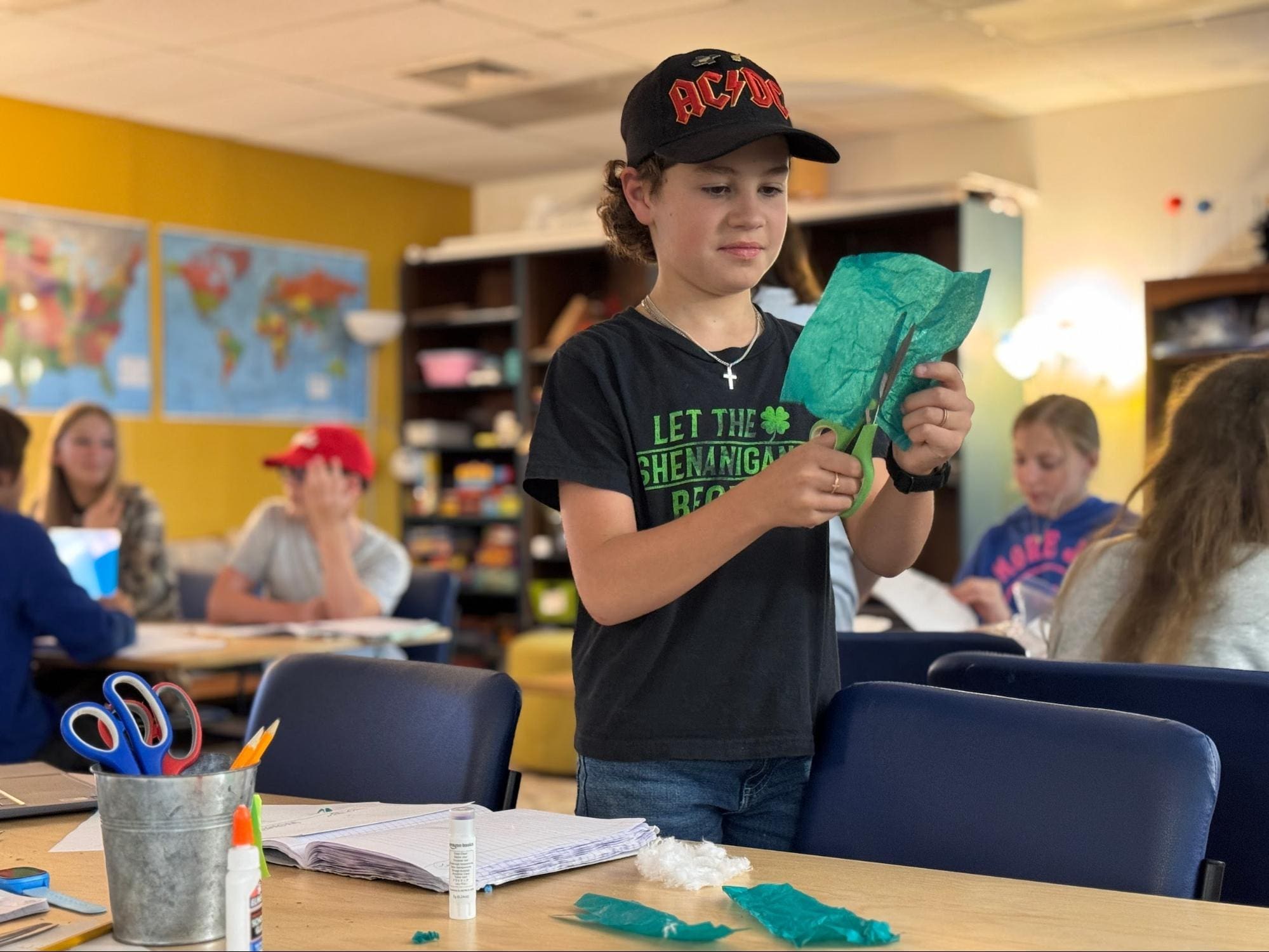
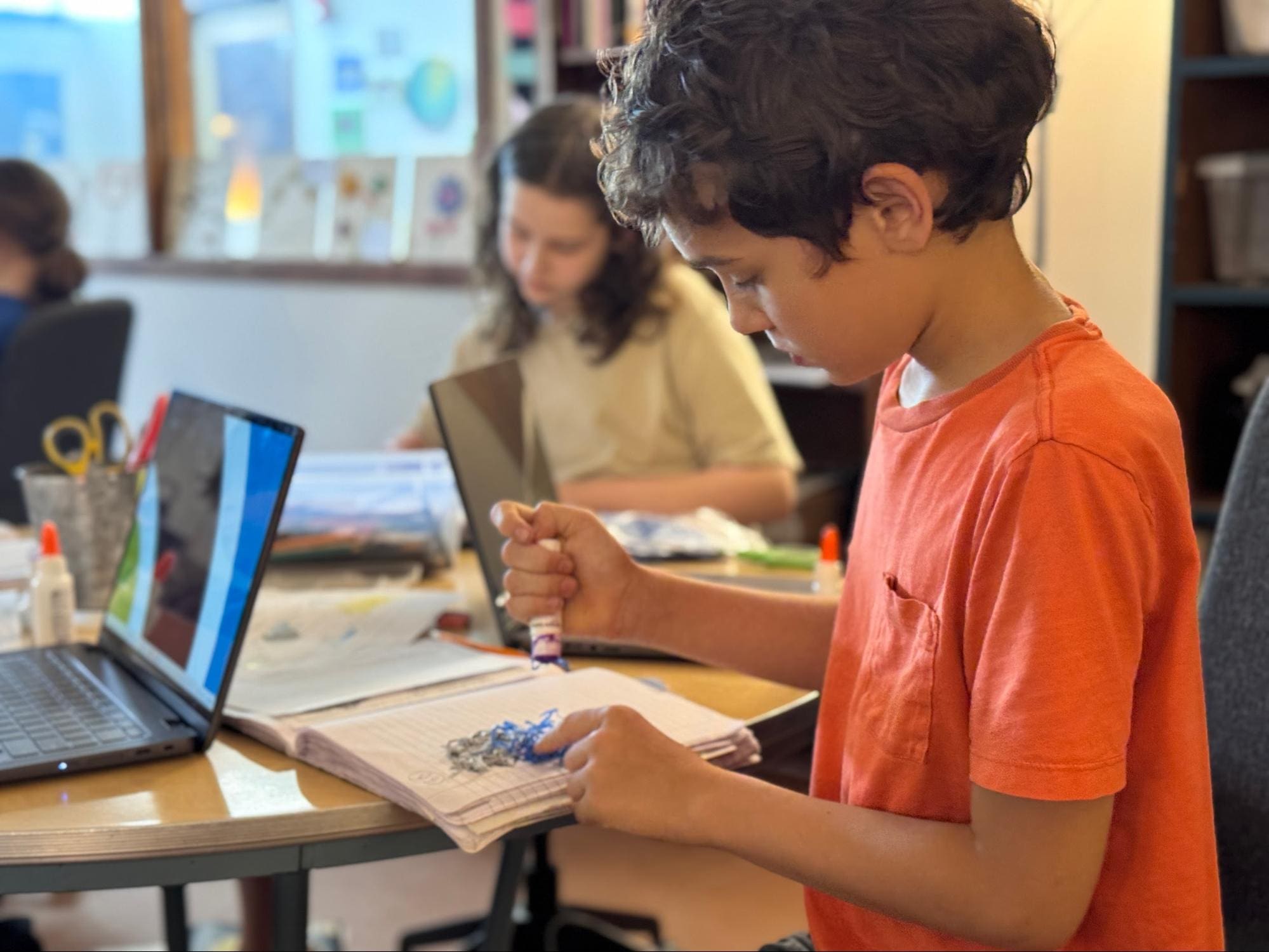
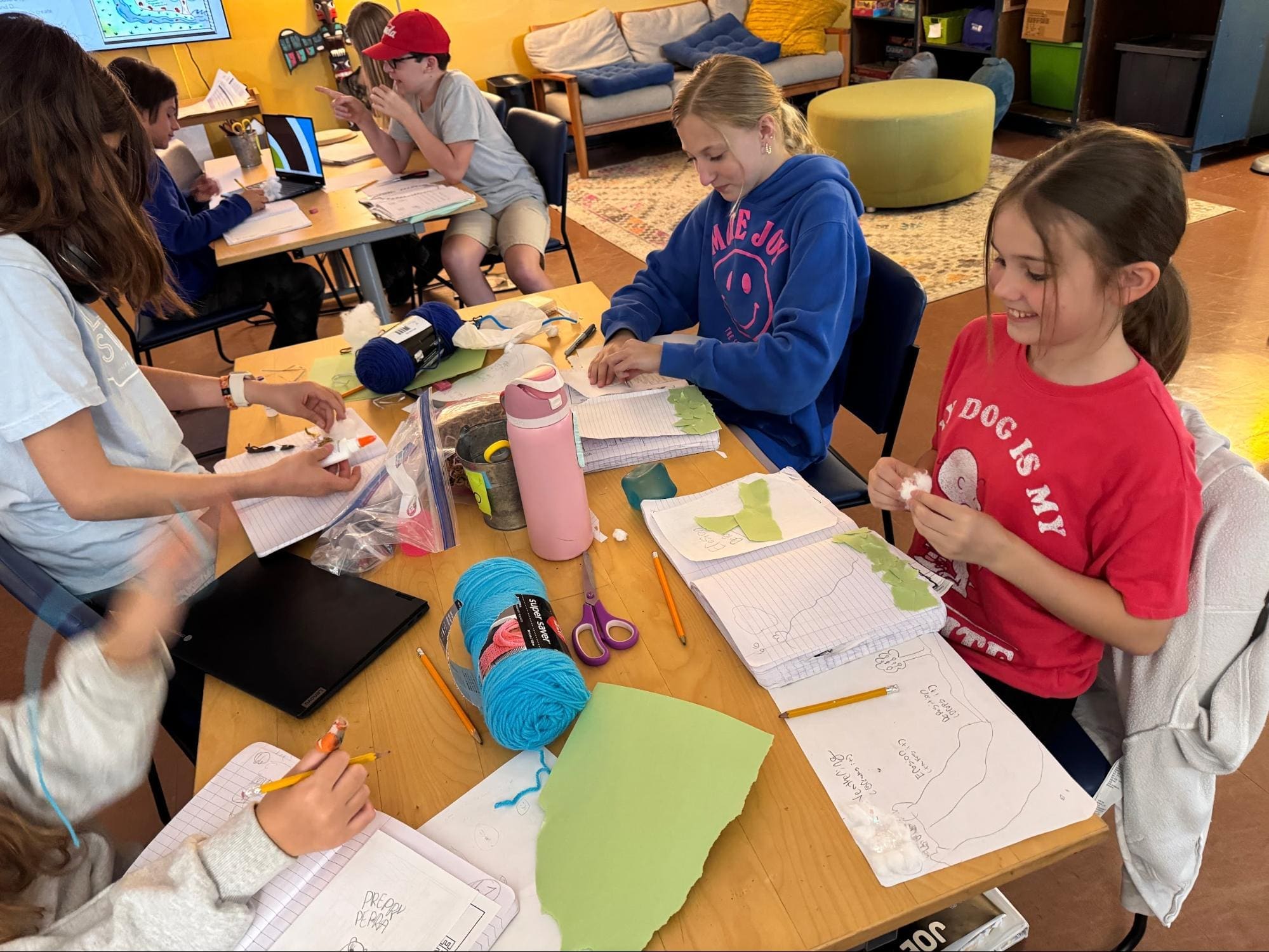
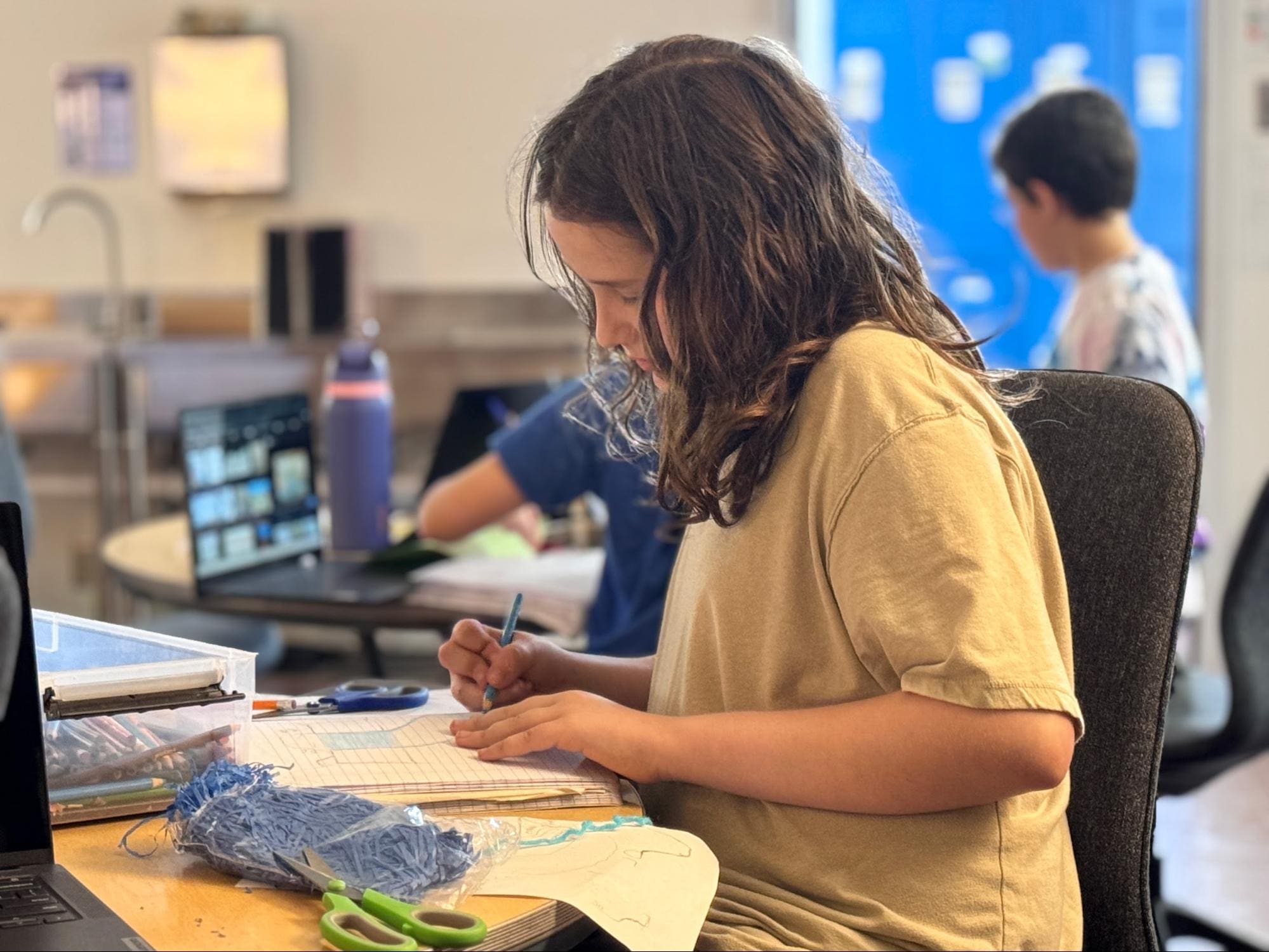
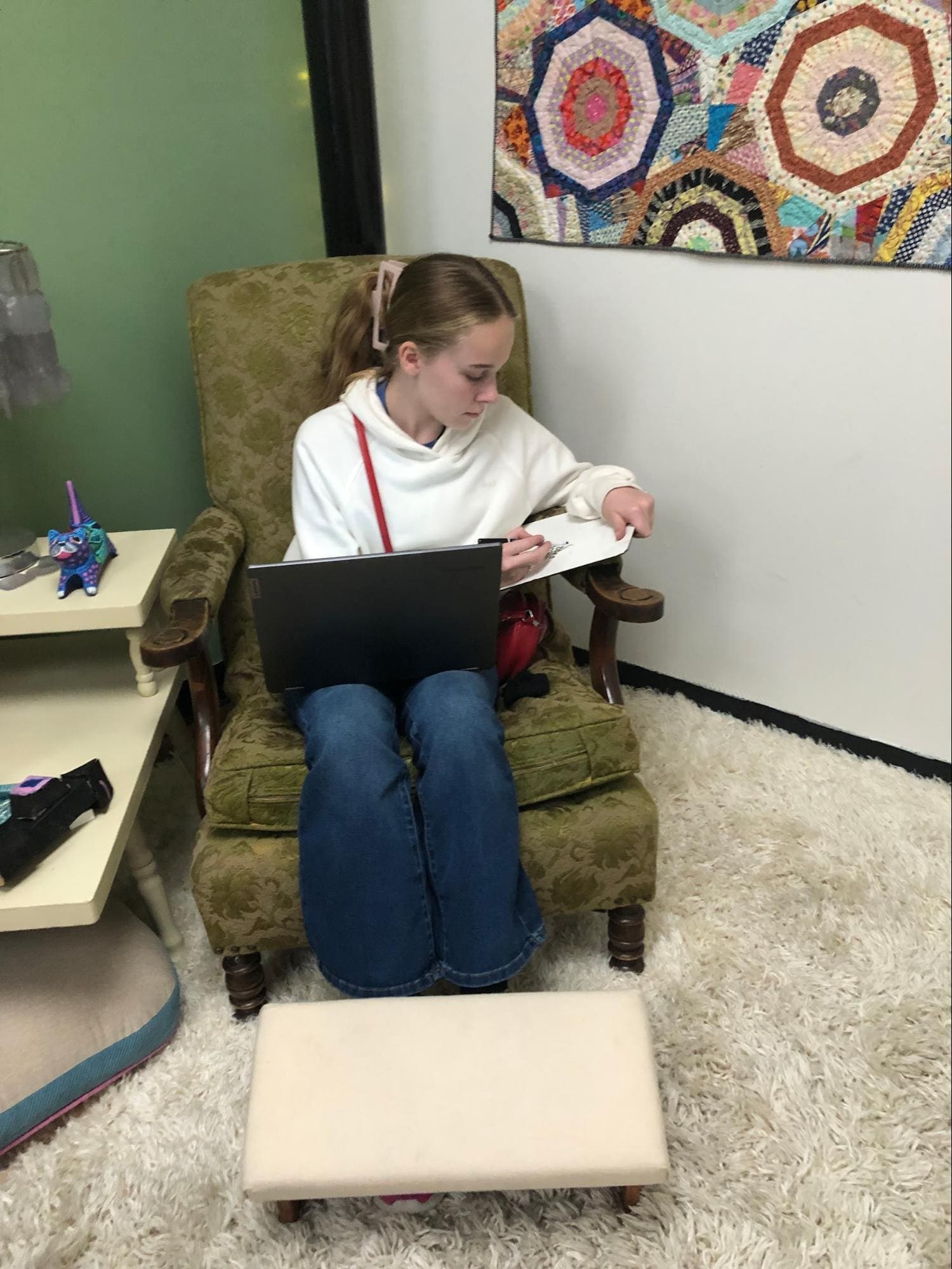
To apply their understanding, students created mixed media models representing real-world examples of weathering, erosion, and deposition. Using different available materials like paper, and recycled supplies, students designed detailed landscapes that showed features like river deltas, canyons, sand dunes, coastlines, and weathered rock formations. Students also researched actual geographic locations to help make their models scientifically accurate and visually creative. These projects allowed students to combine scientific observation with artistic design while strengthening their understanding of how Earth’s surface changes over time.
Students also began preparing for next week’s Check On on Earth Science by practicing strategies aimed at reaching the Epsilon performance level. Activities focused on reading scientific diagrams carefully, identifying evidence from charts and data, explaining Earth processes using scientific vocabulary, and supporting answers with complete reasoning. Students worked through practice questions and collaborative review activities designed to build confidence and strengthen critical thinking skills ahead of the assessment.
| 
| 
|
| 
| 
|
 |  | 
|
|