General News
We had a fun week in Delta! We are moving through all of our new units with ease and curiosity! We also had a special “April Fool’s” cake on Wednesday, thanks to Daisy. If you were with us last year, you might remember our exquisitely pulled off prank cake from Apollo. Thank you, Daisy, for keeping the tradition alive with a positive twist! 😄
ELA
This week in ELA was all about building a schema for Mars and the rovers we’ve sent there! On Monday, we went over P&P and introduced our new section of reading for the week. On Tuesday, we played a virtual review game for last week’s reading that focused on comprehension questions, vocabulary words through crosswords, word searches, and more fun stuff! We rounded out the week using the NASA website and various articles to learn about the real Mars rovers the book is based on, as well as the habitat of Mars. Soon, we will begin discussing the possibility of Mars colonization sometime in the future. Do you think humans could live on Mars? What would it take? Is it a good idea to try to colonize another planet?
Math
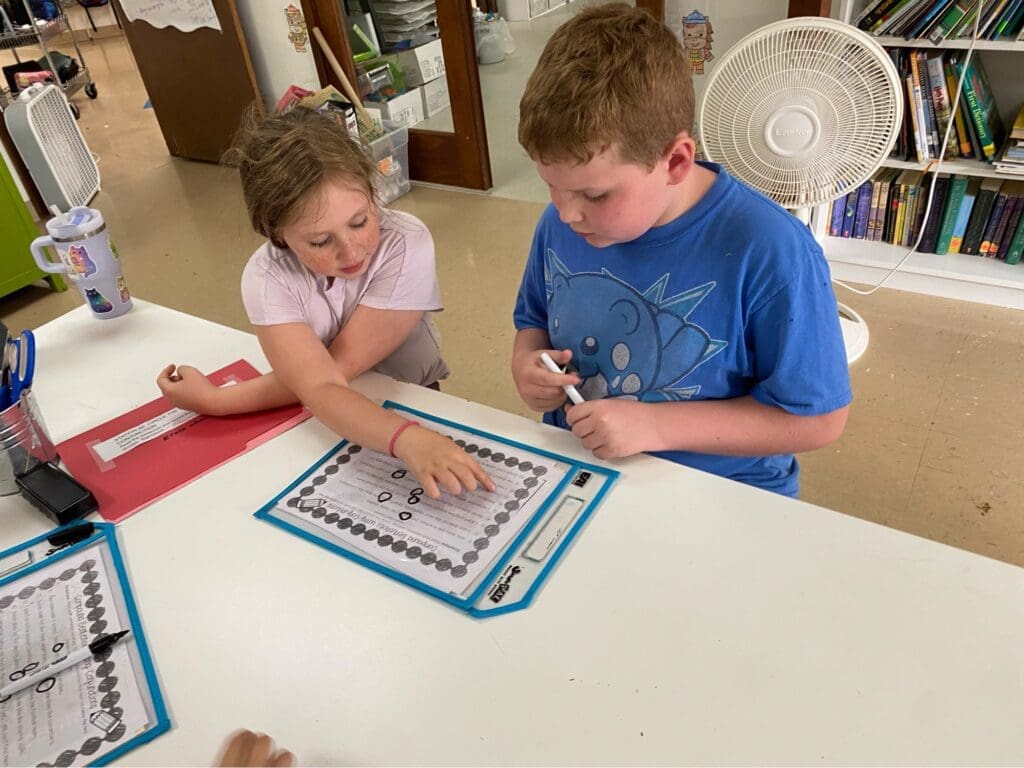
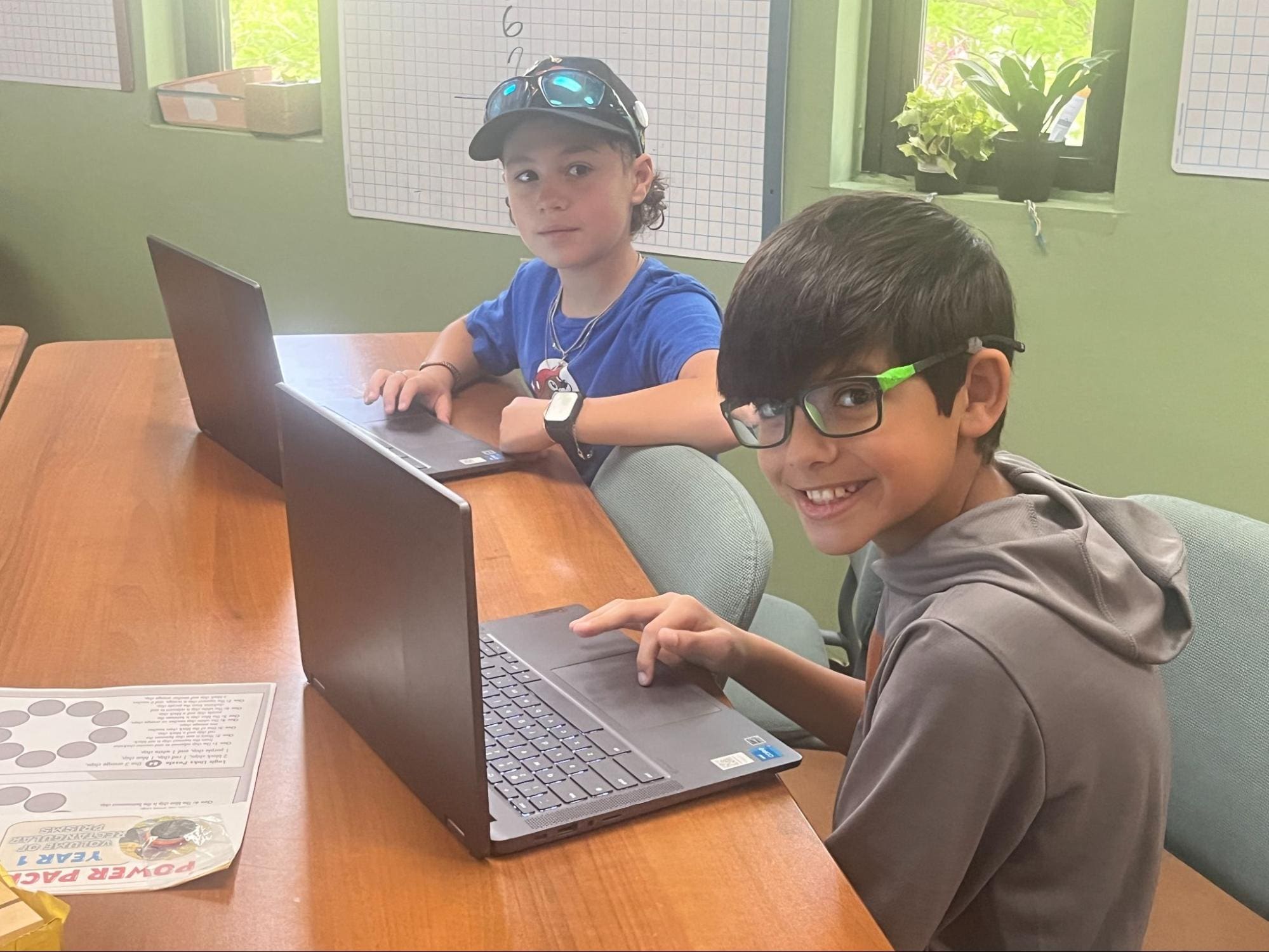
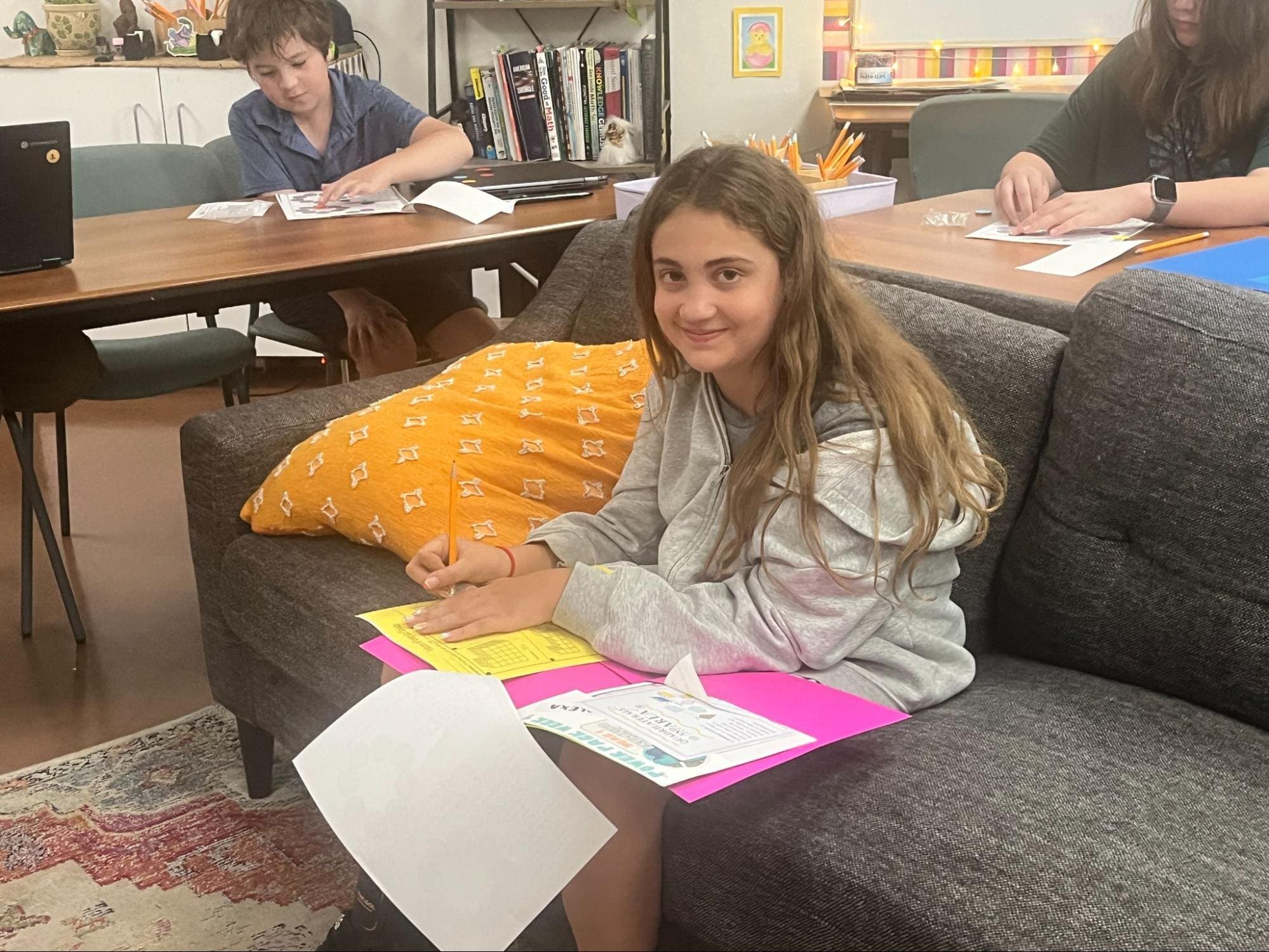
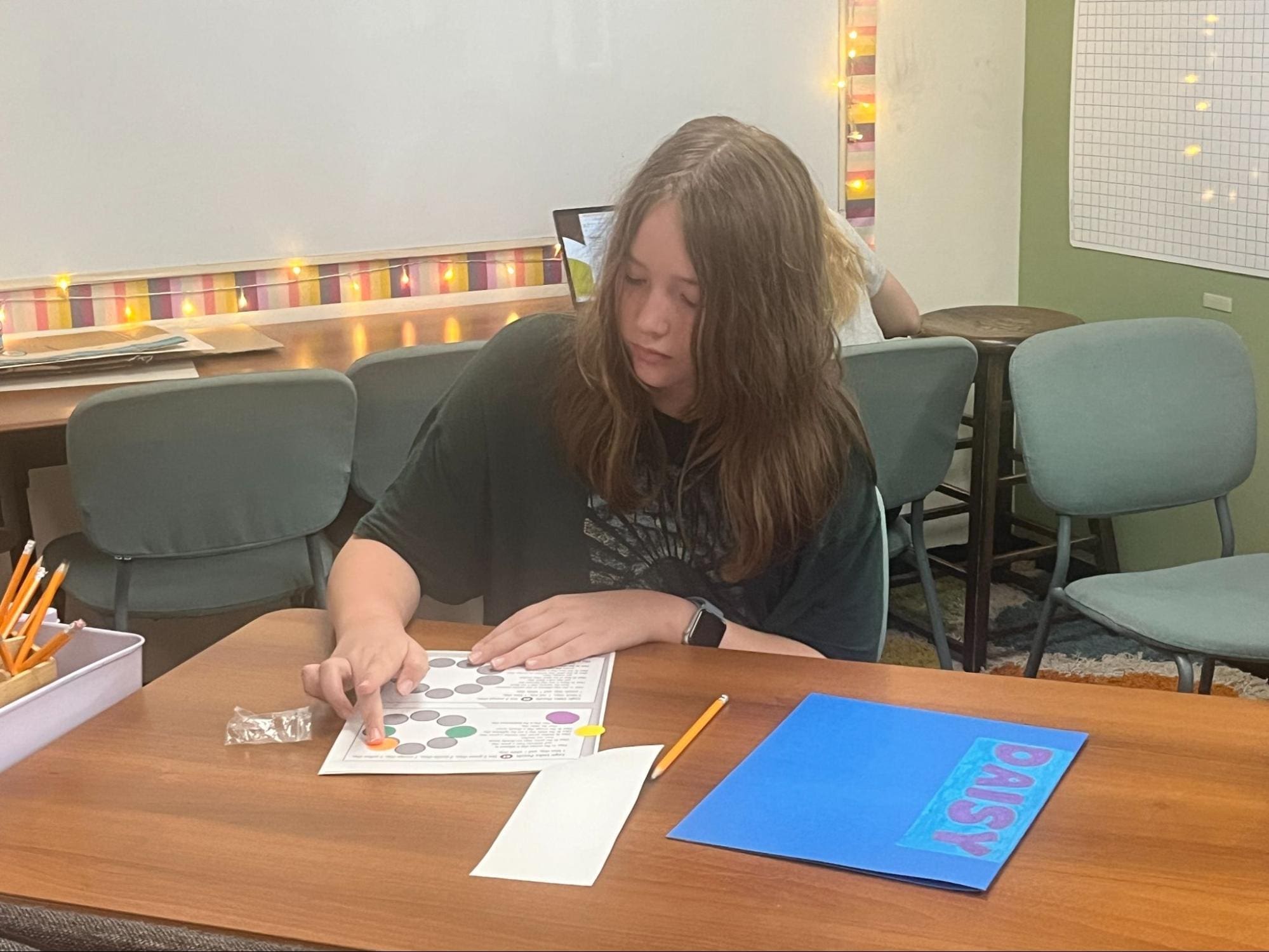
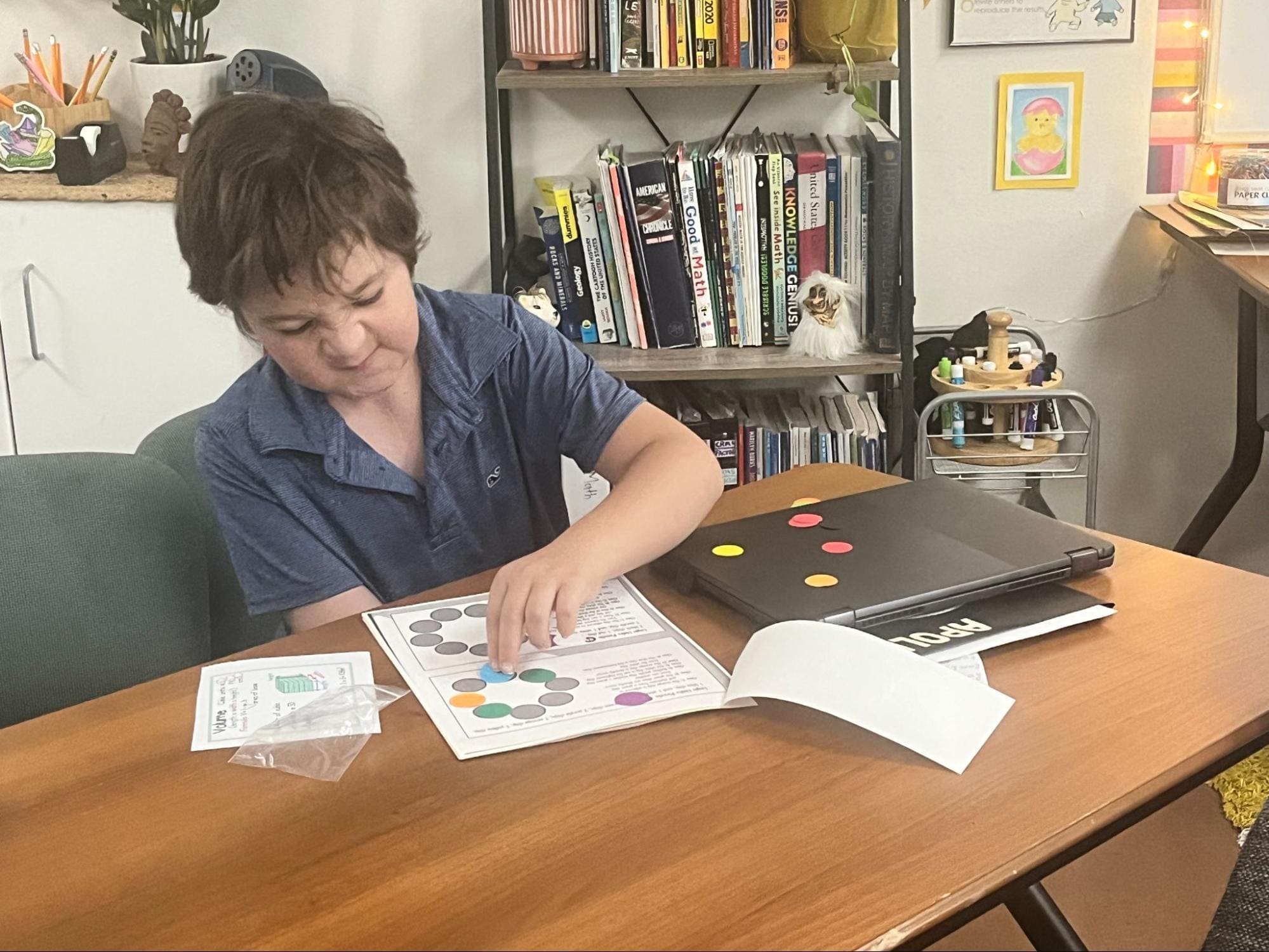
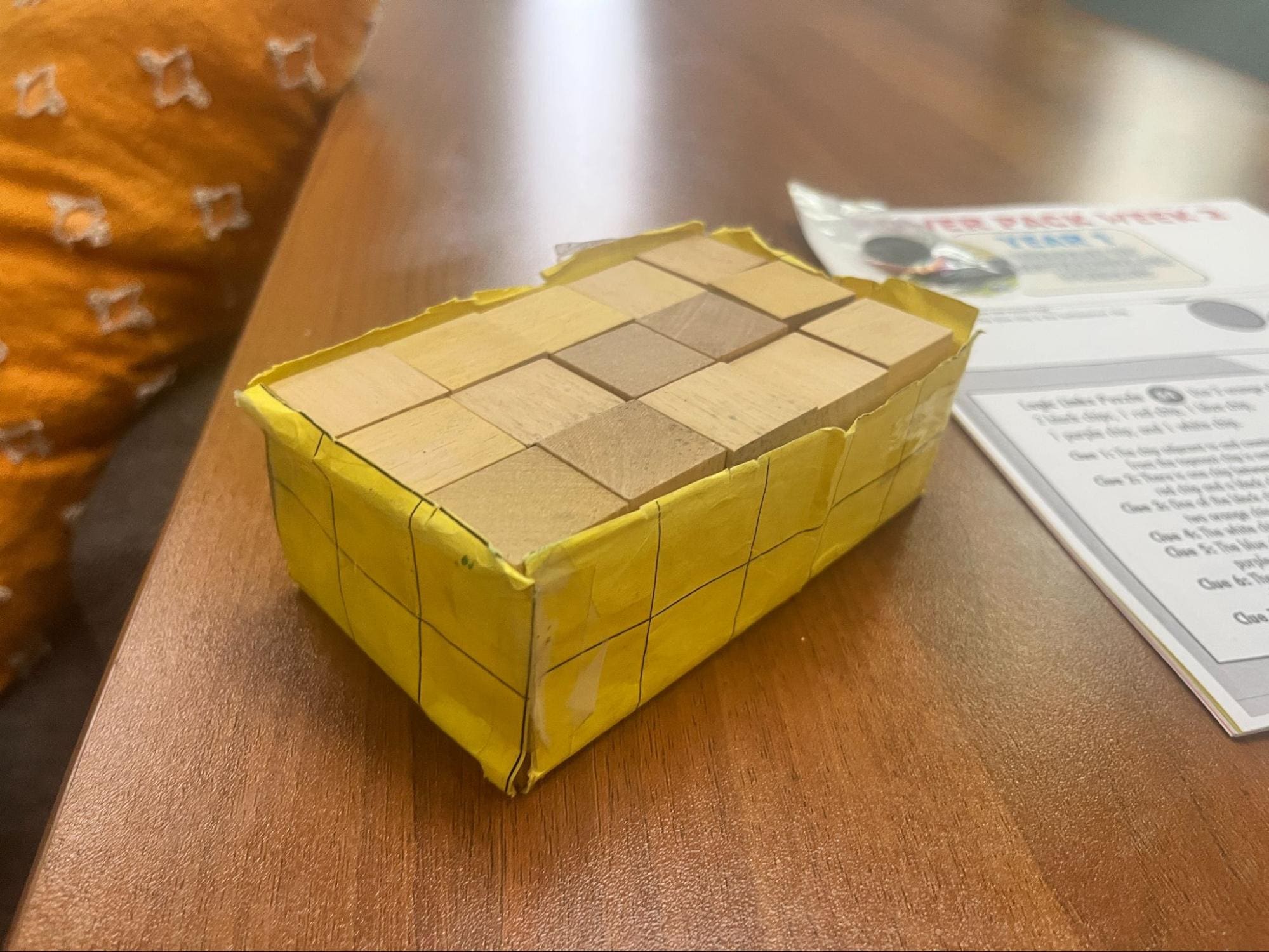
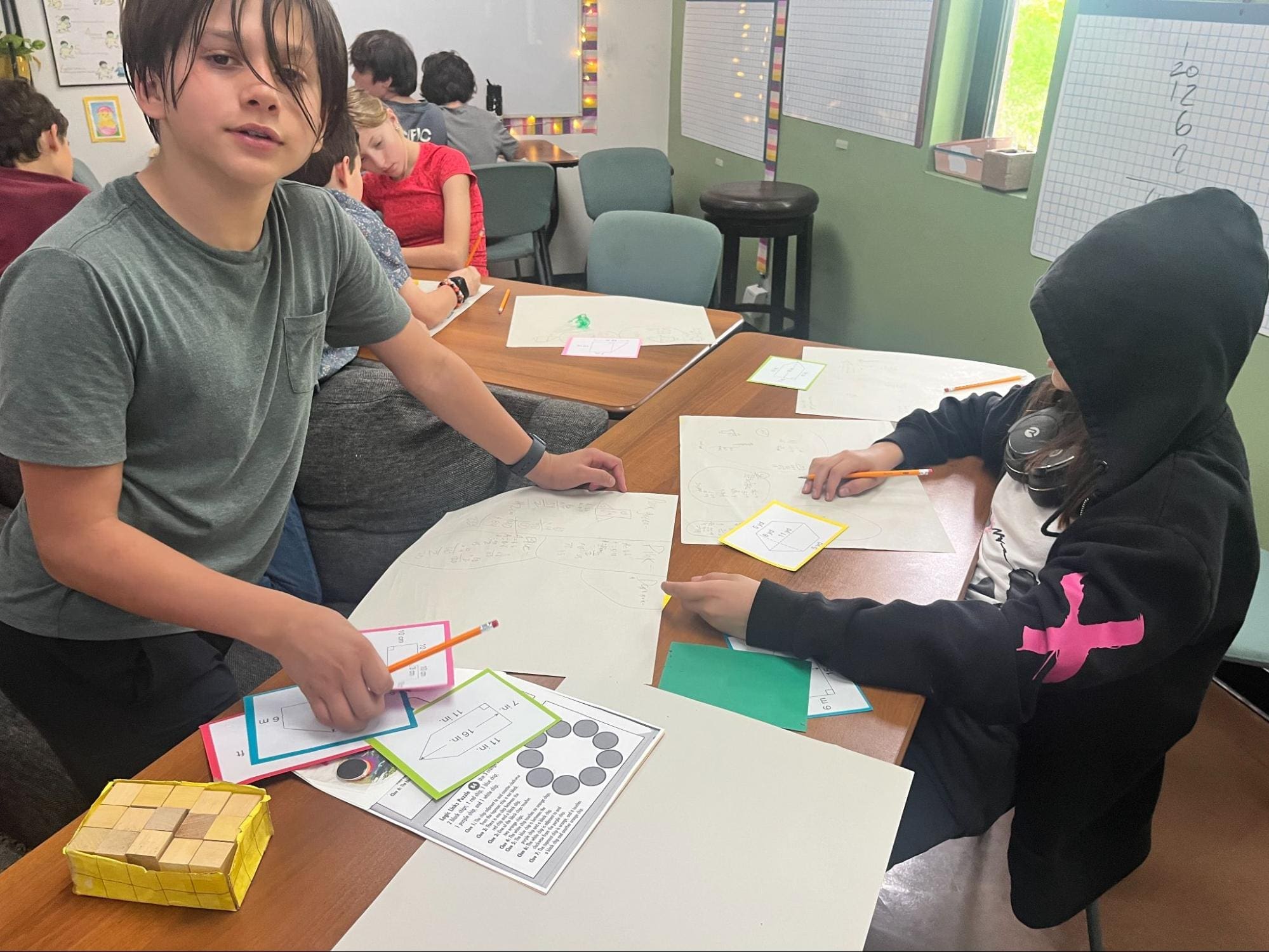
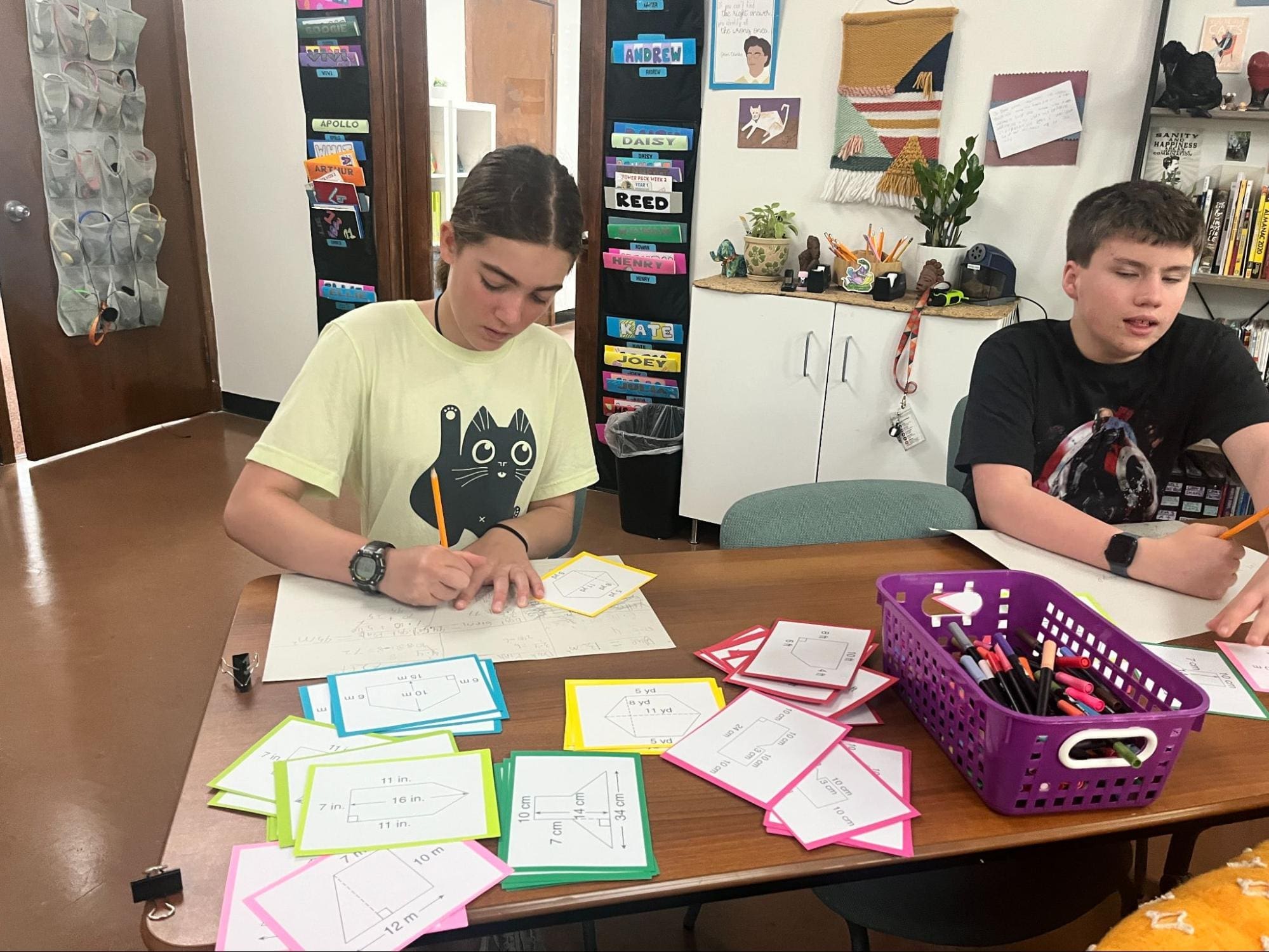
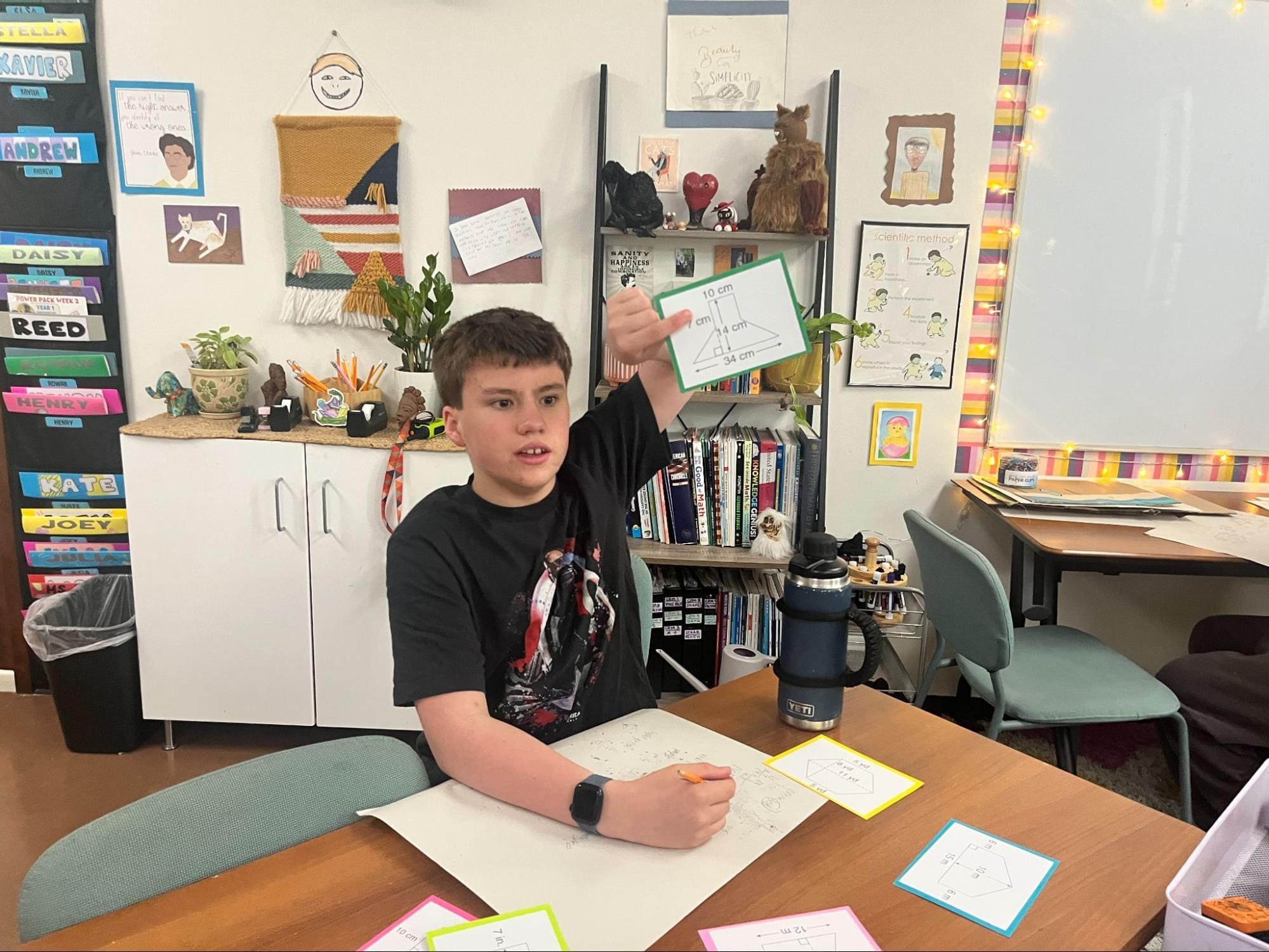
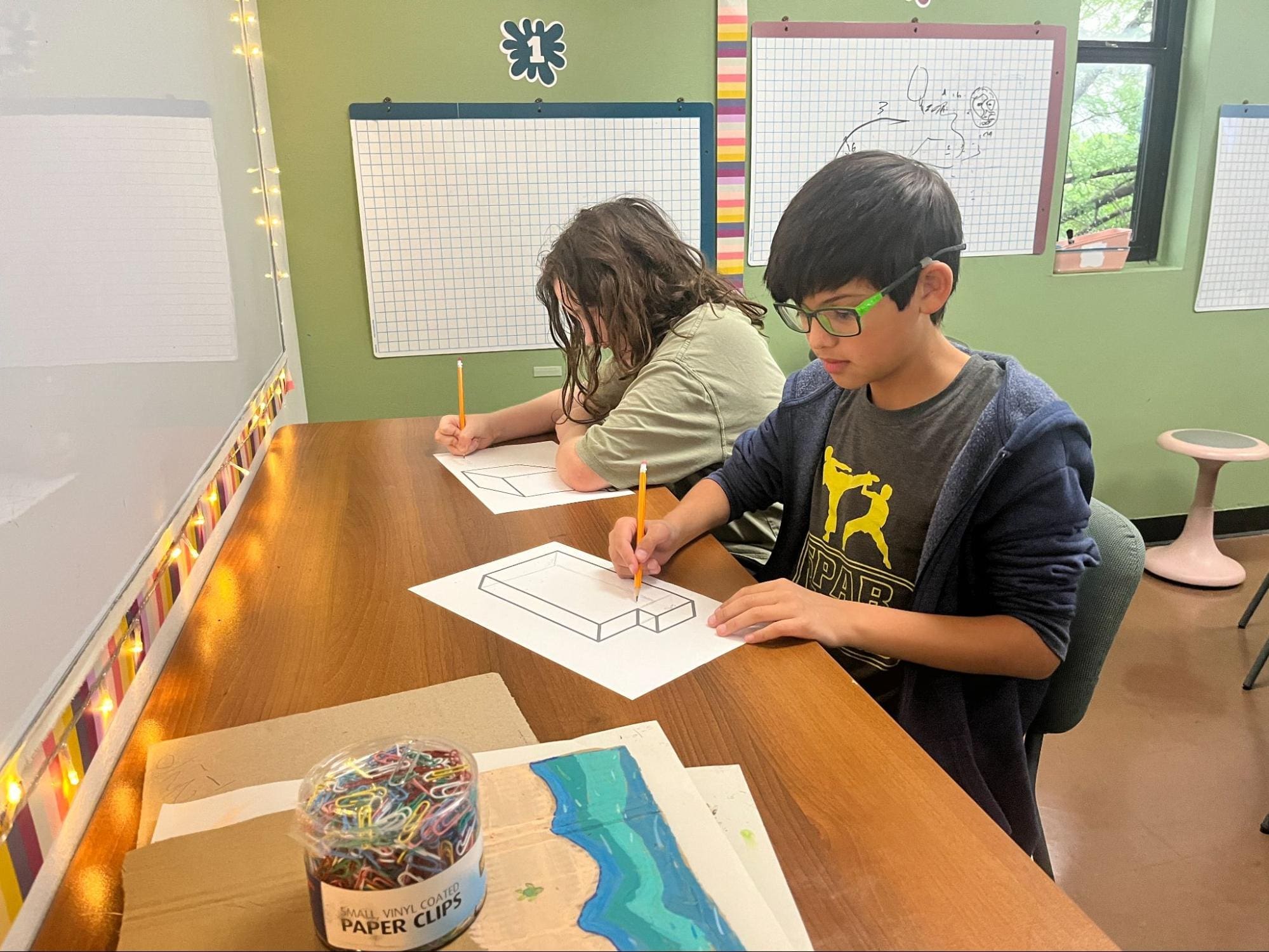
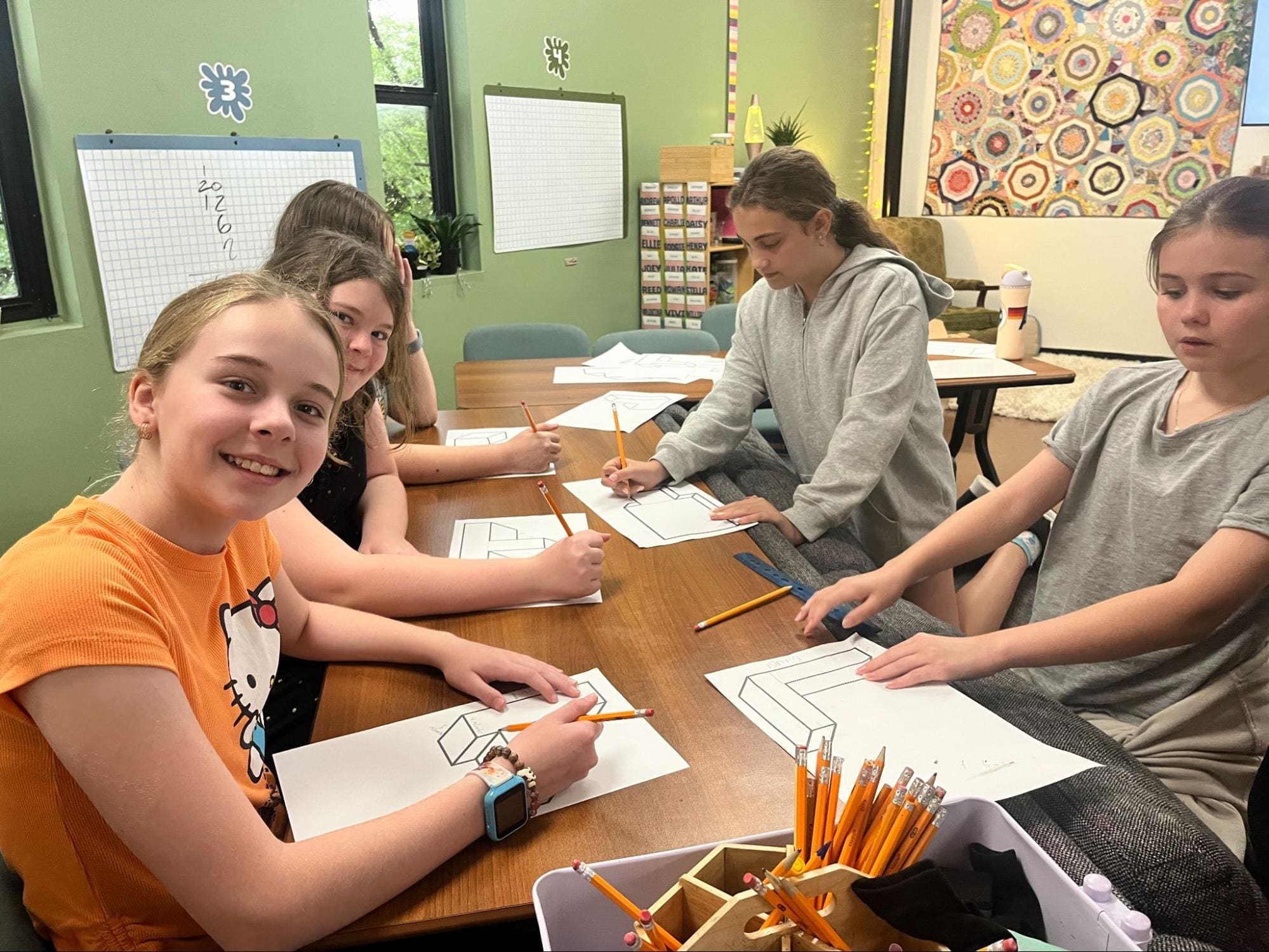
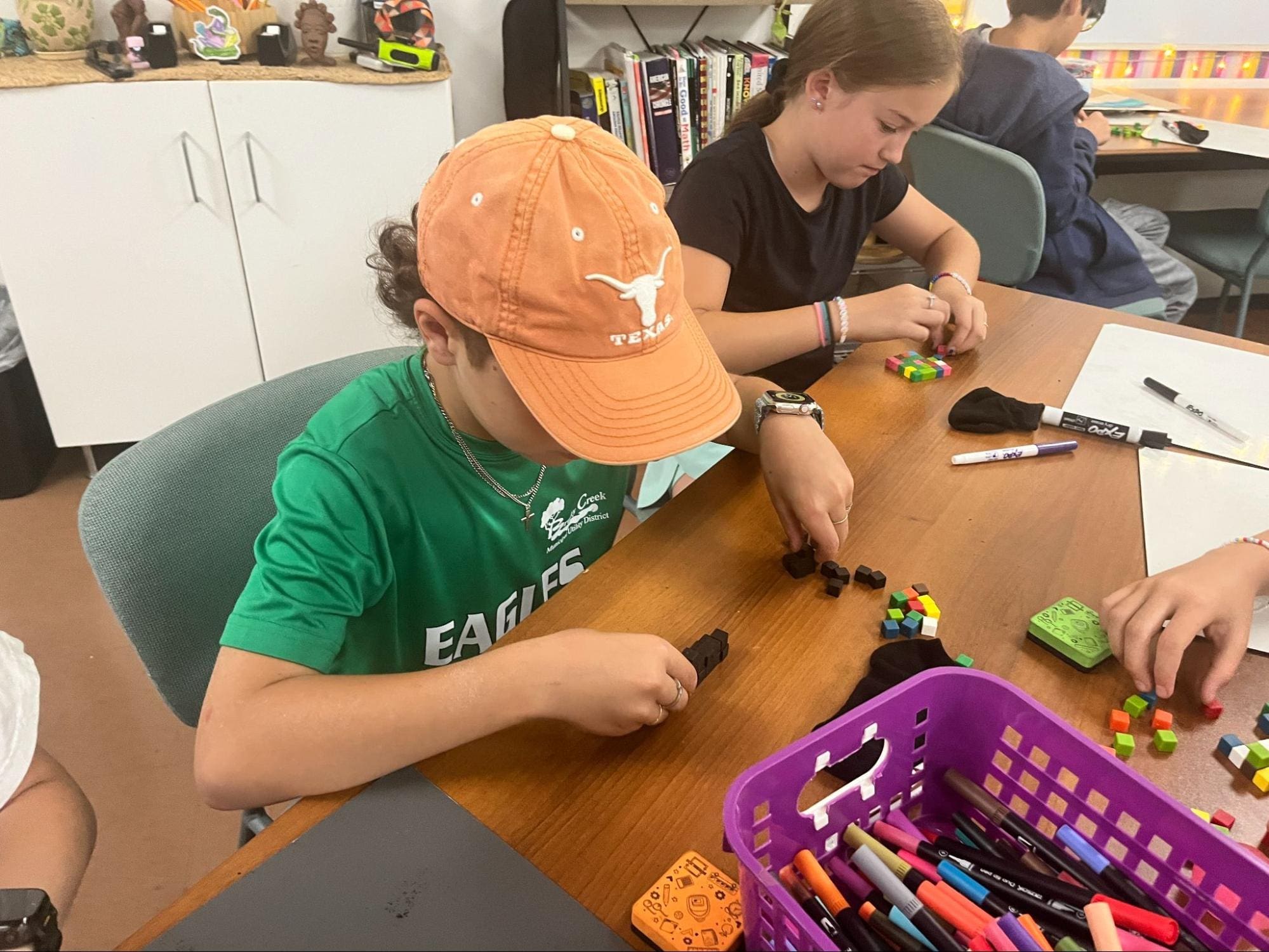
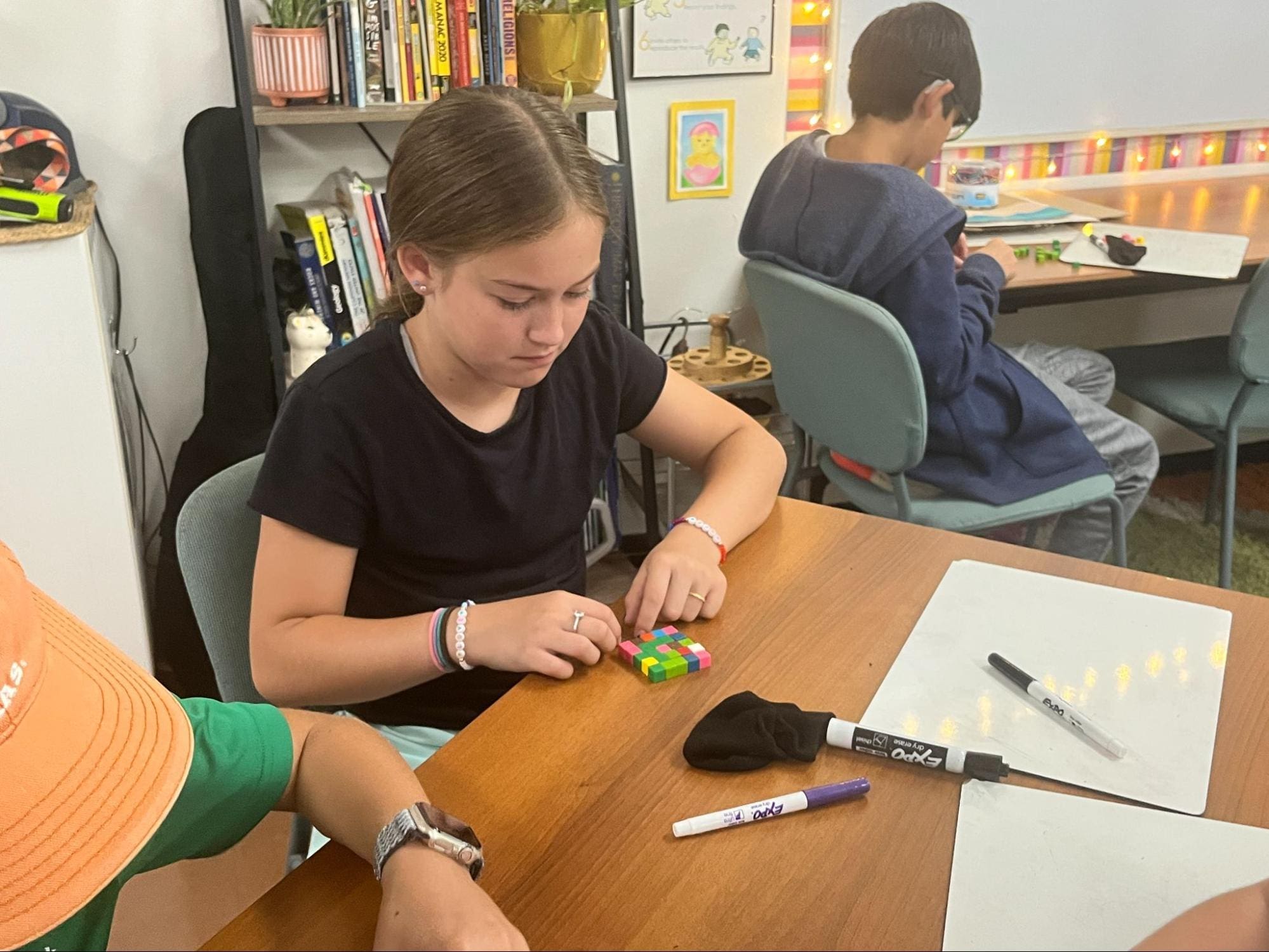
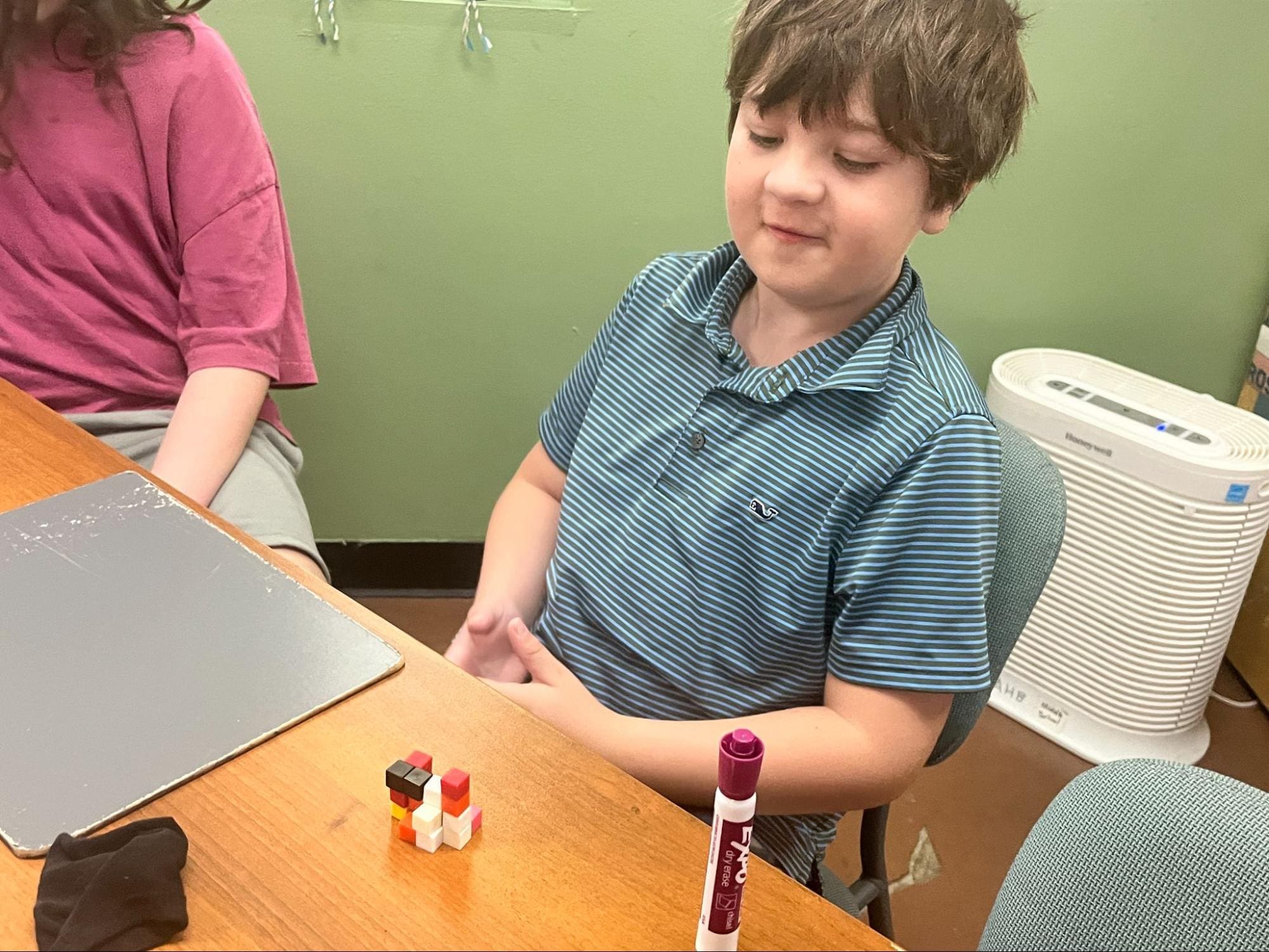
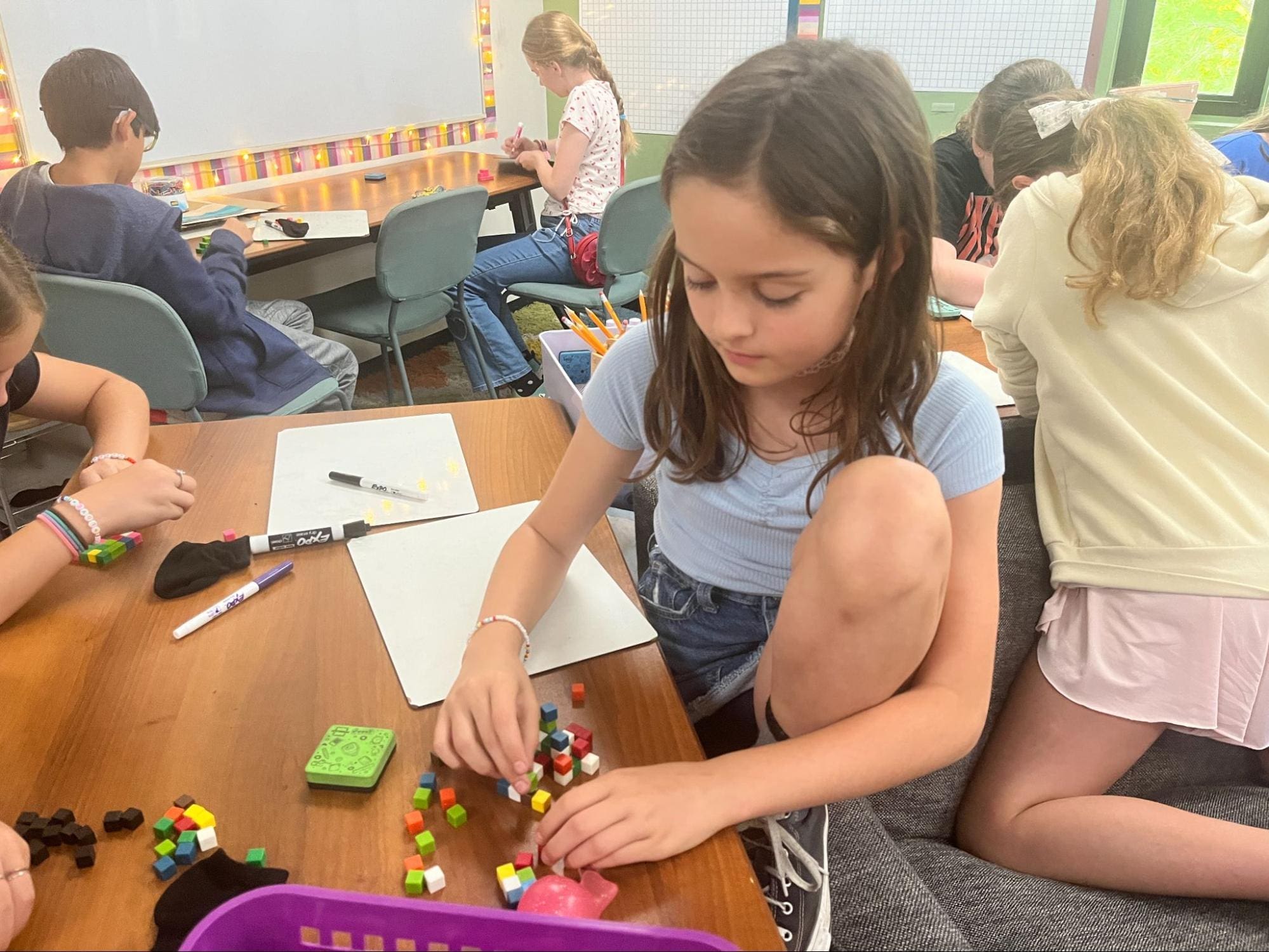
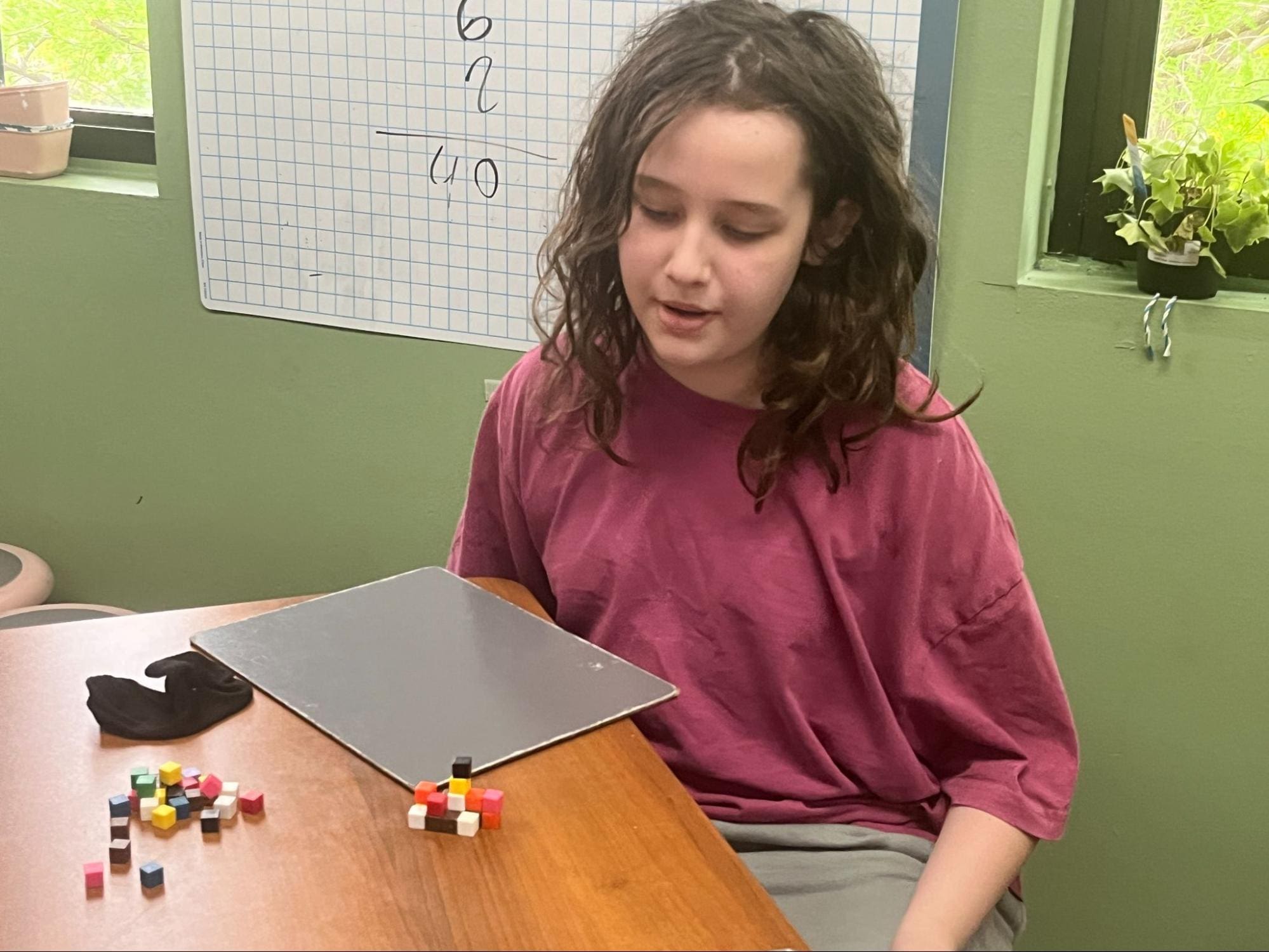
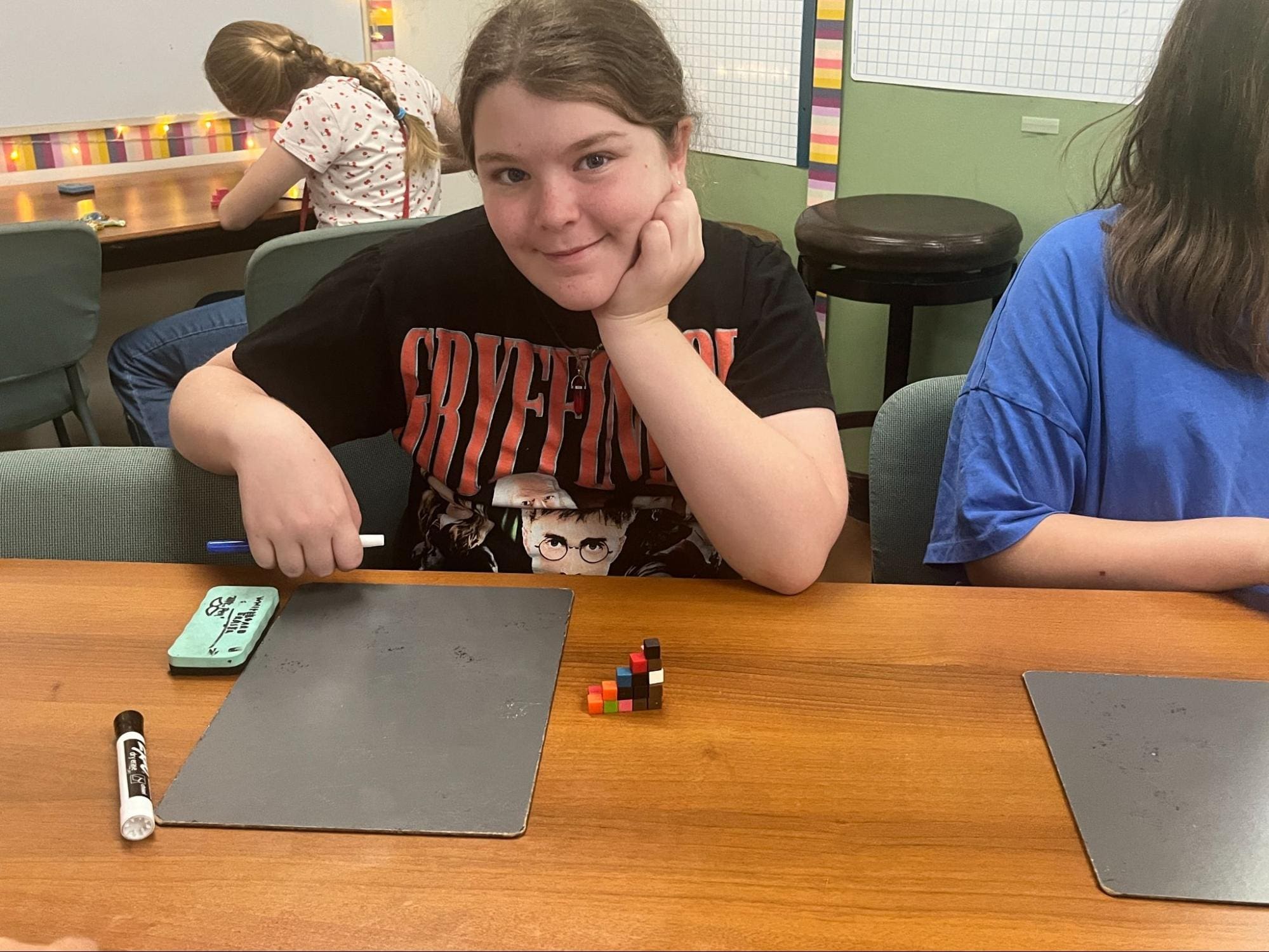
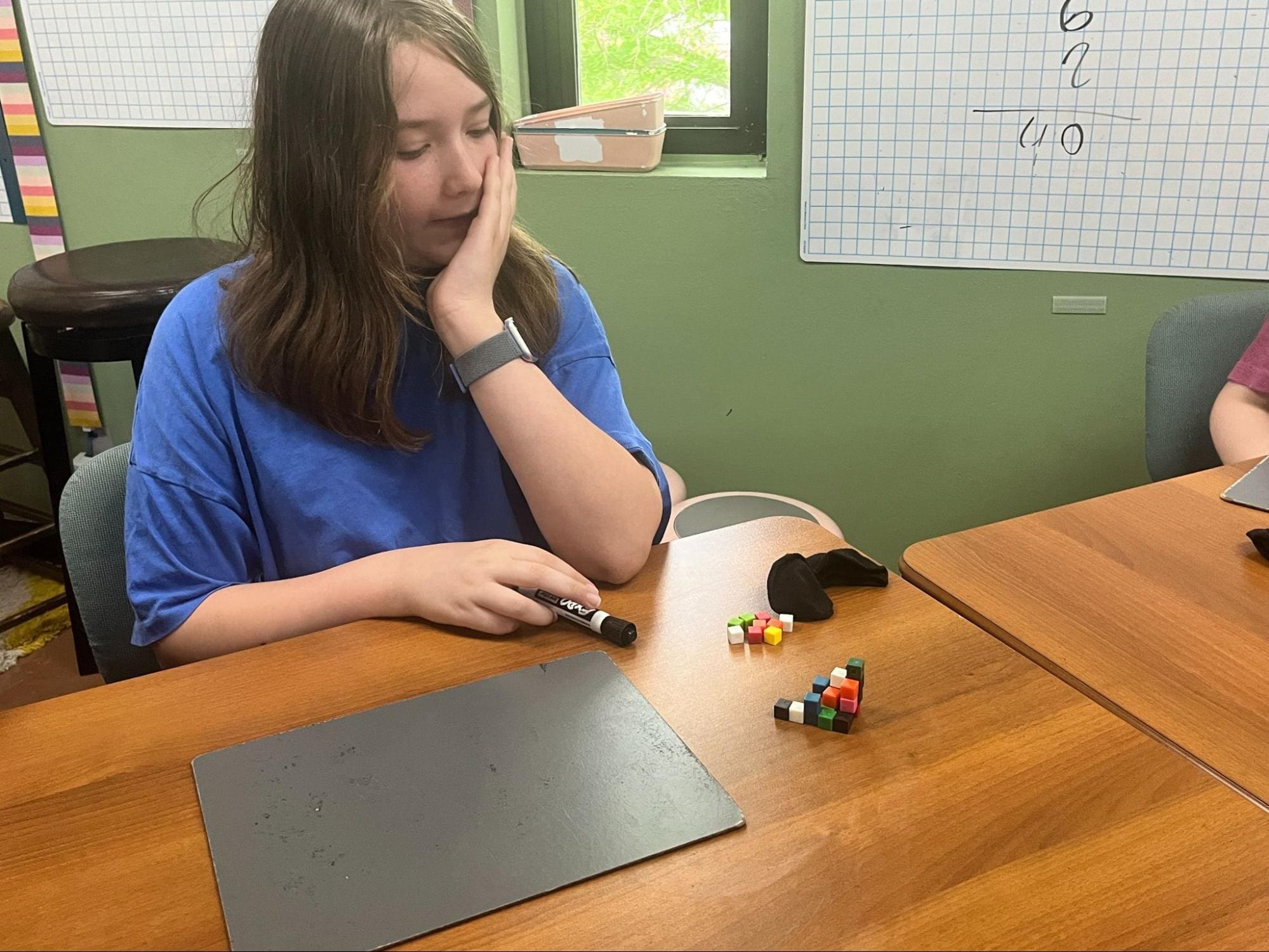
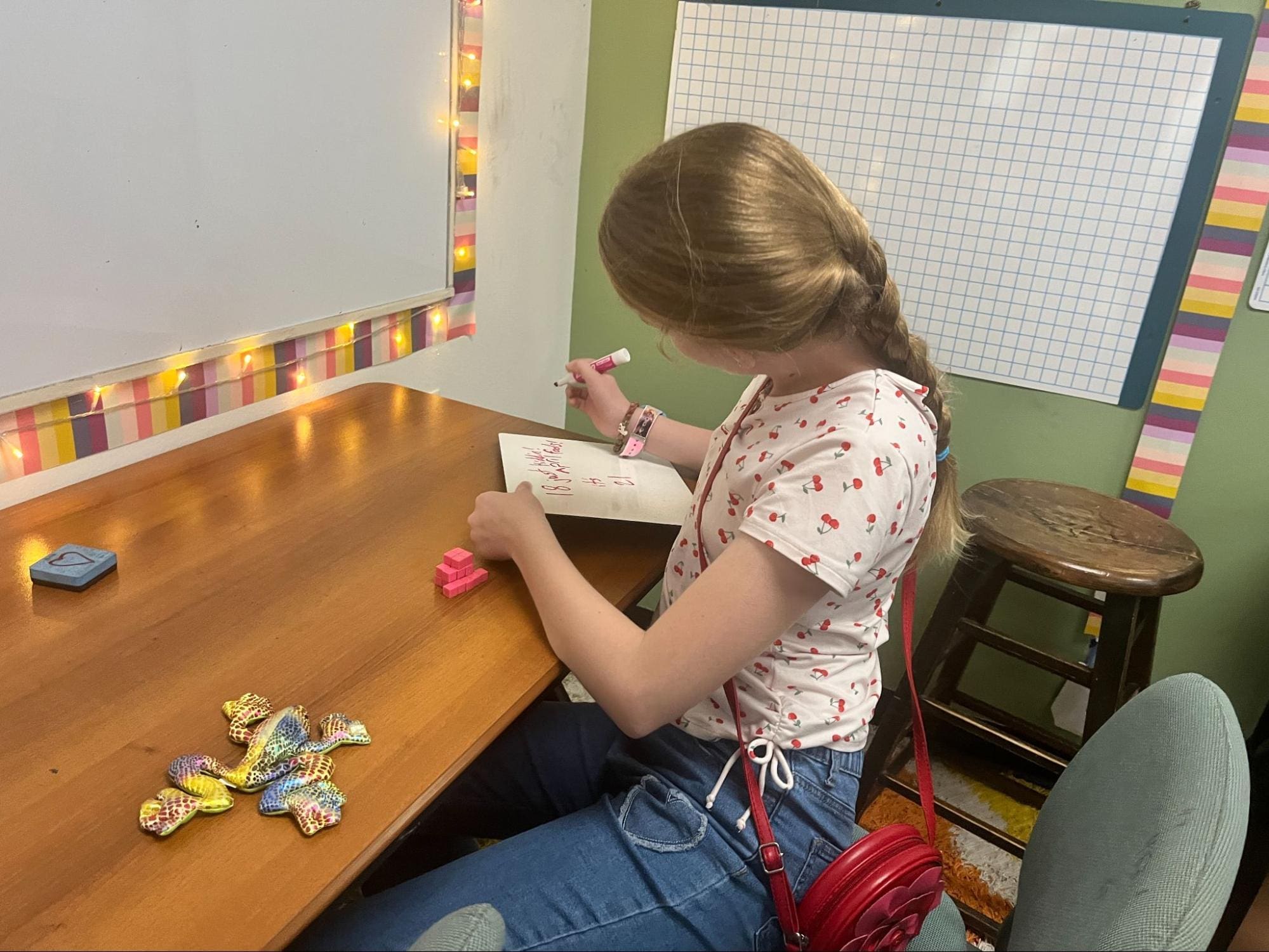
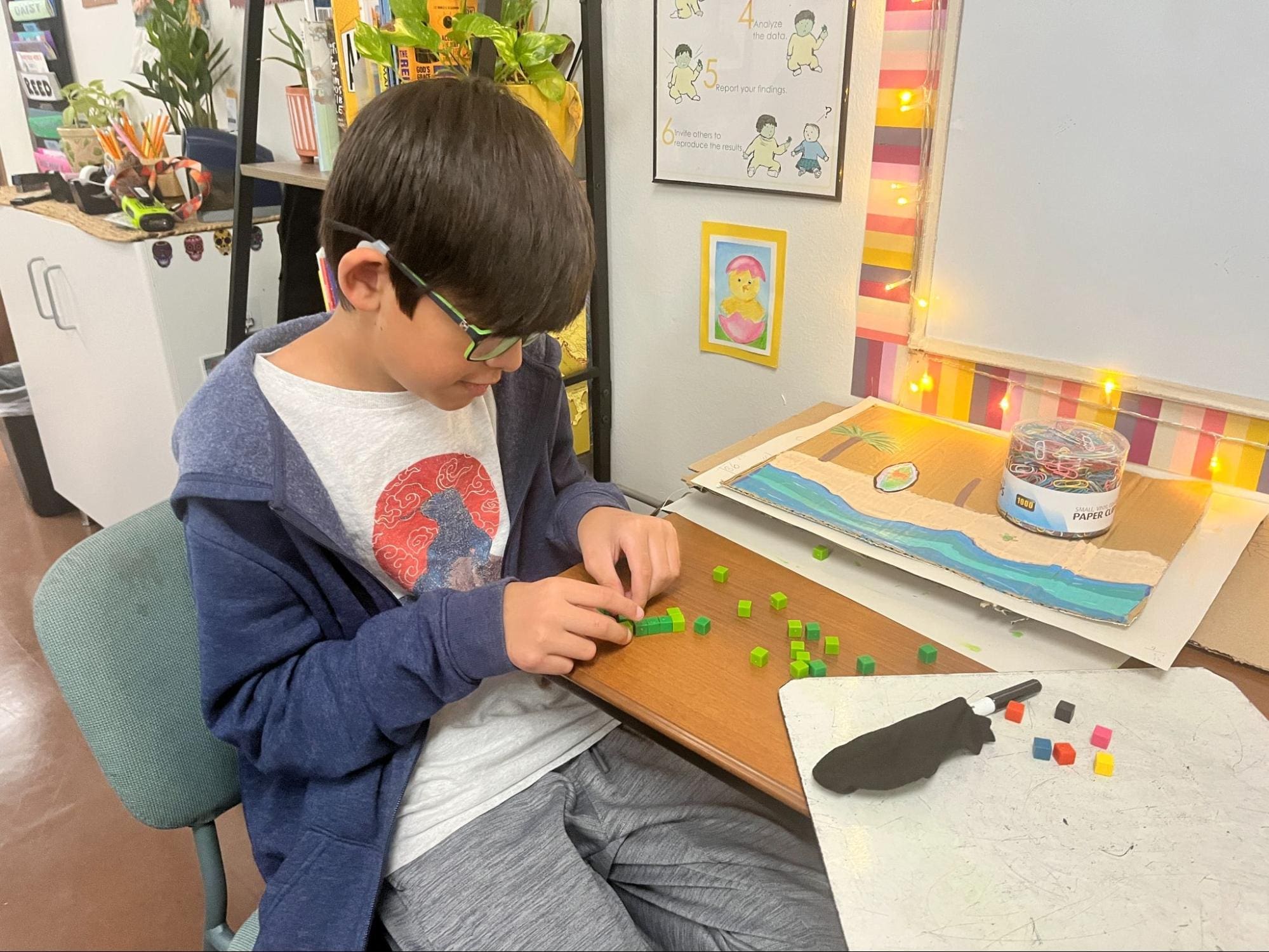
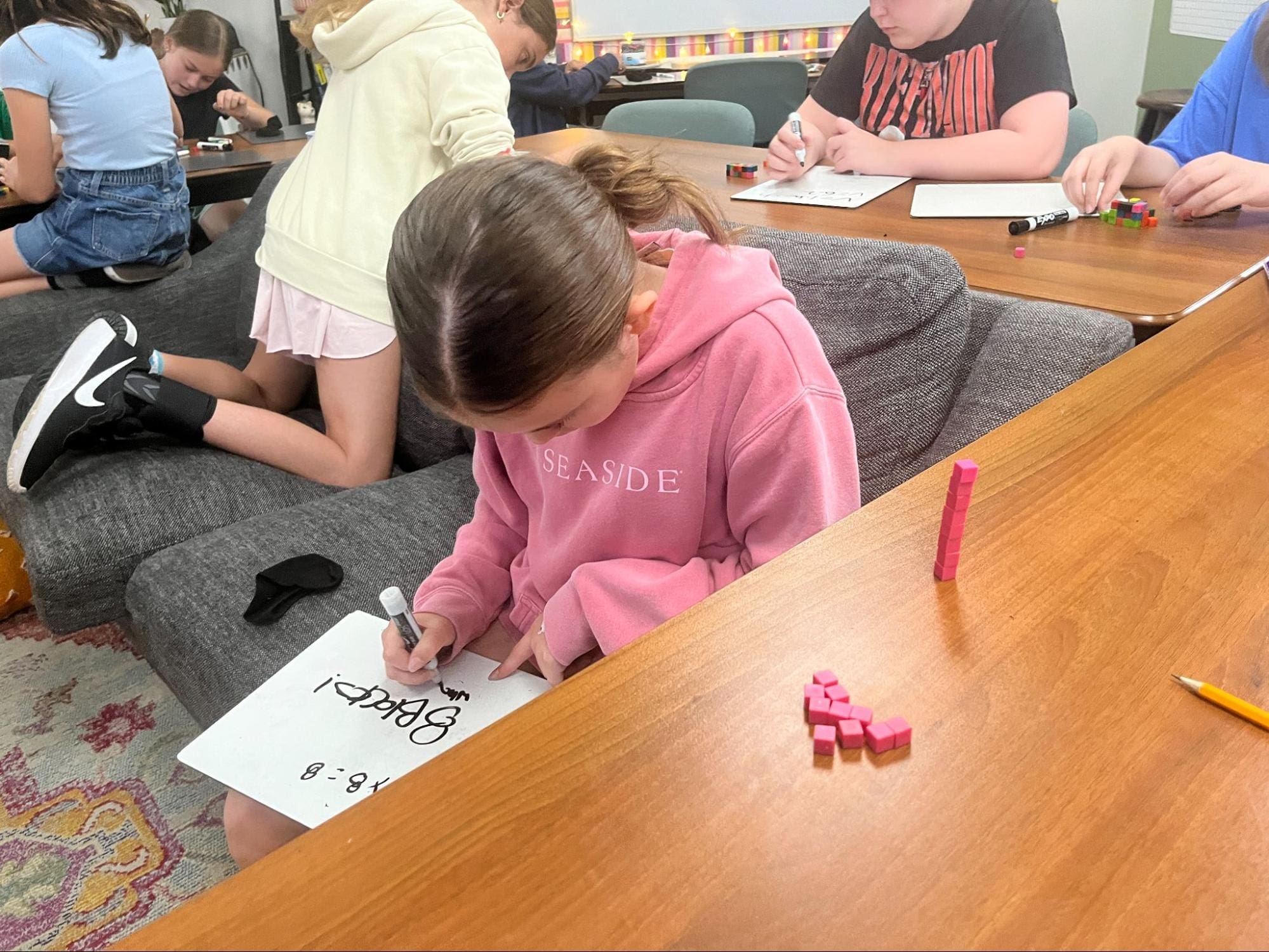
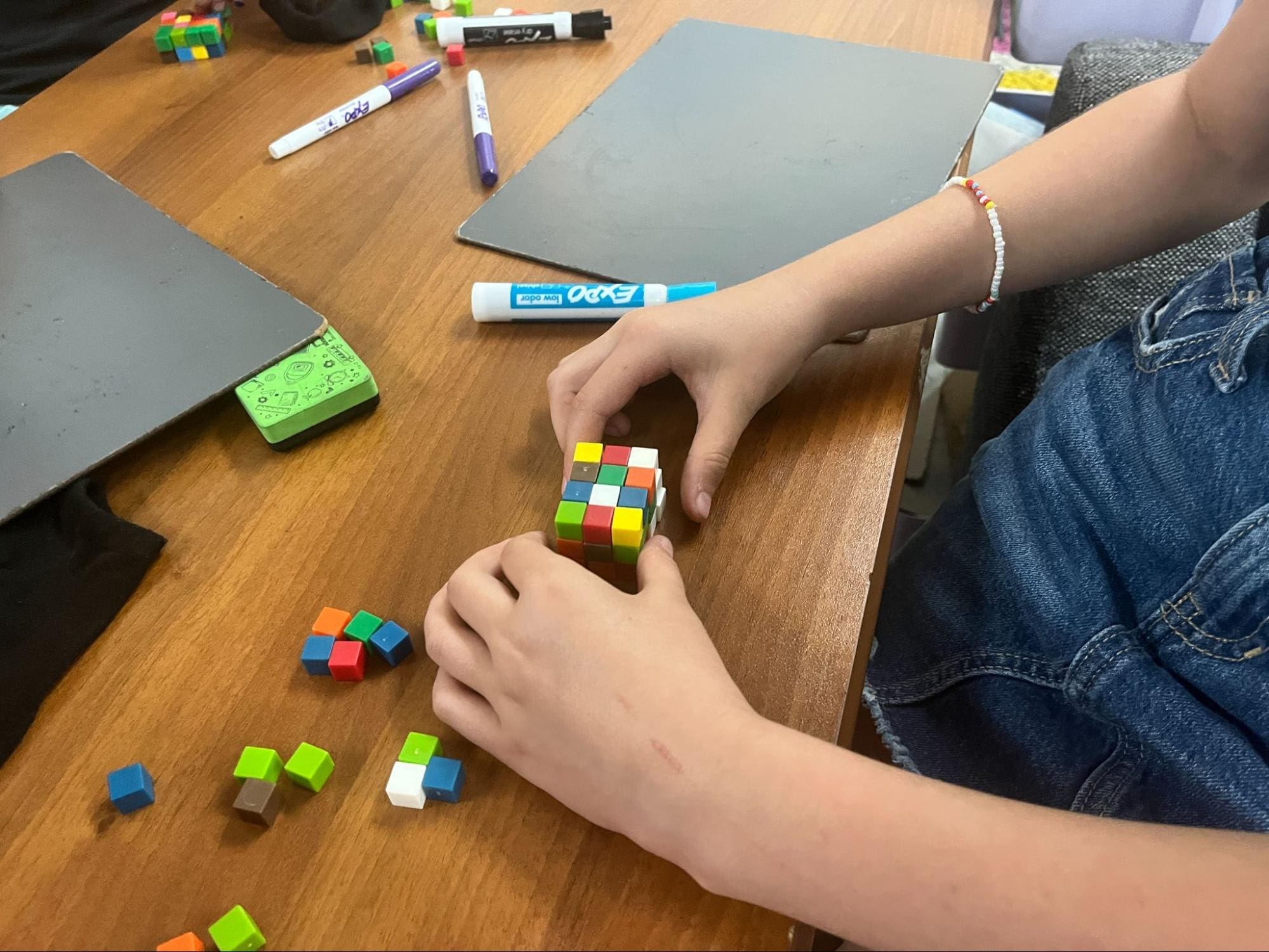
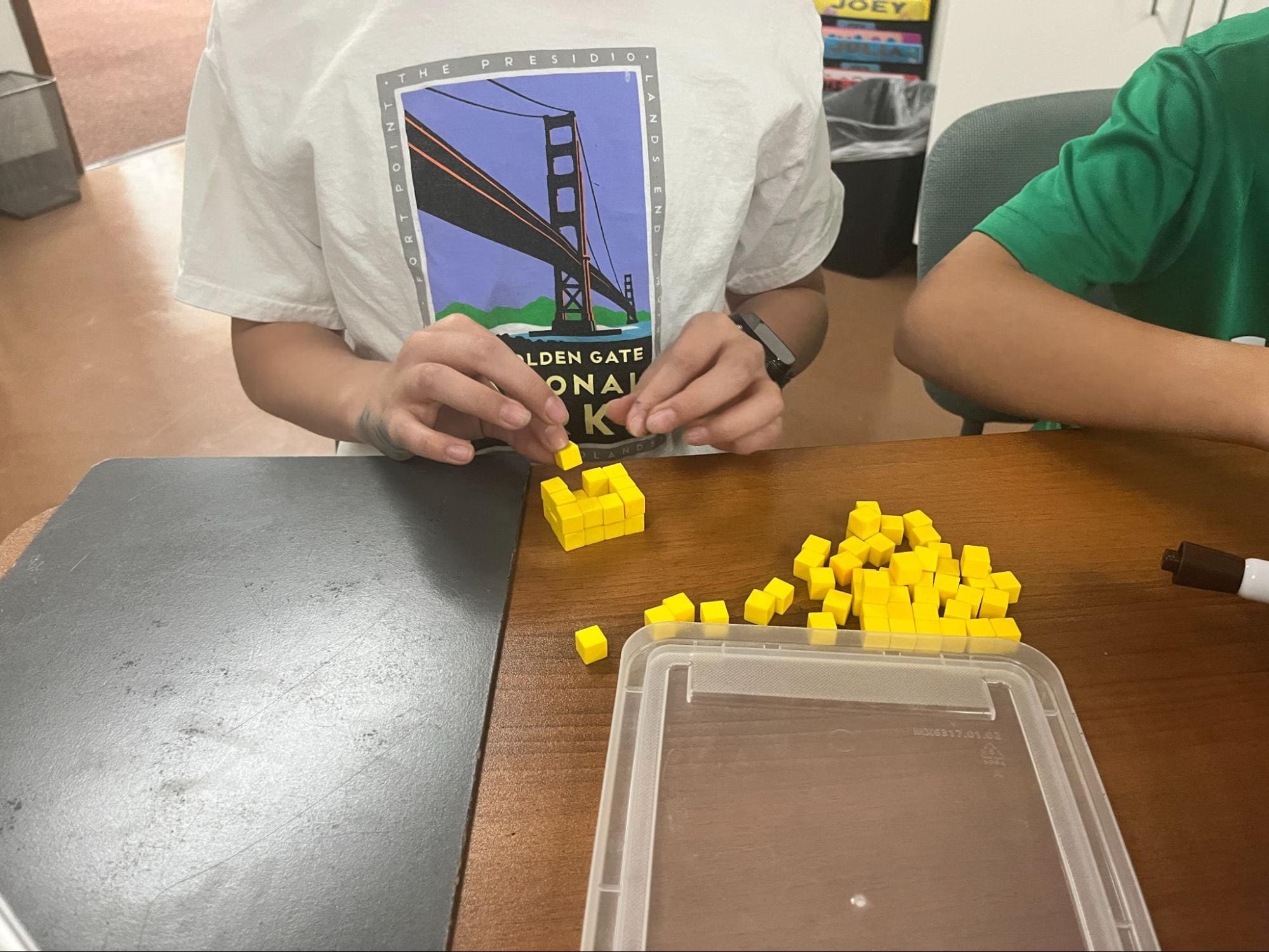
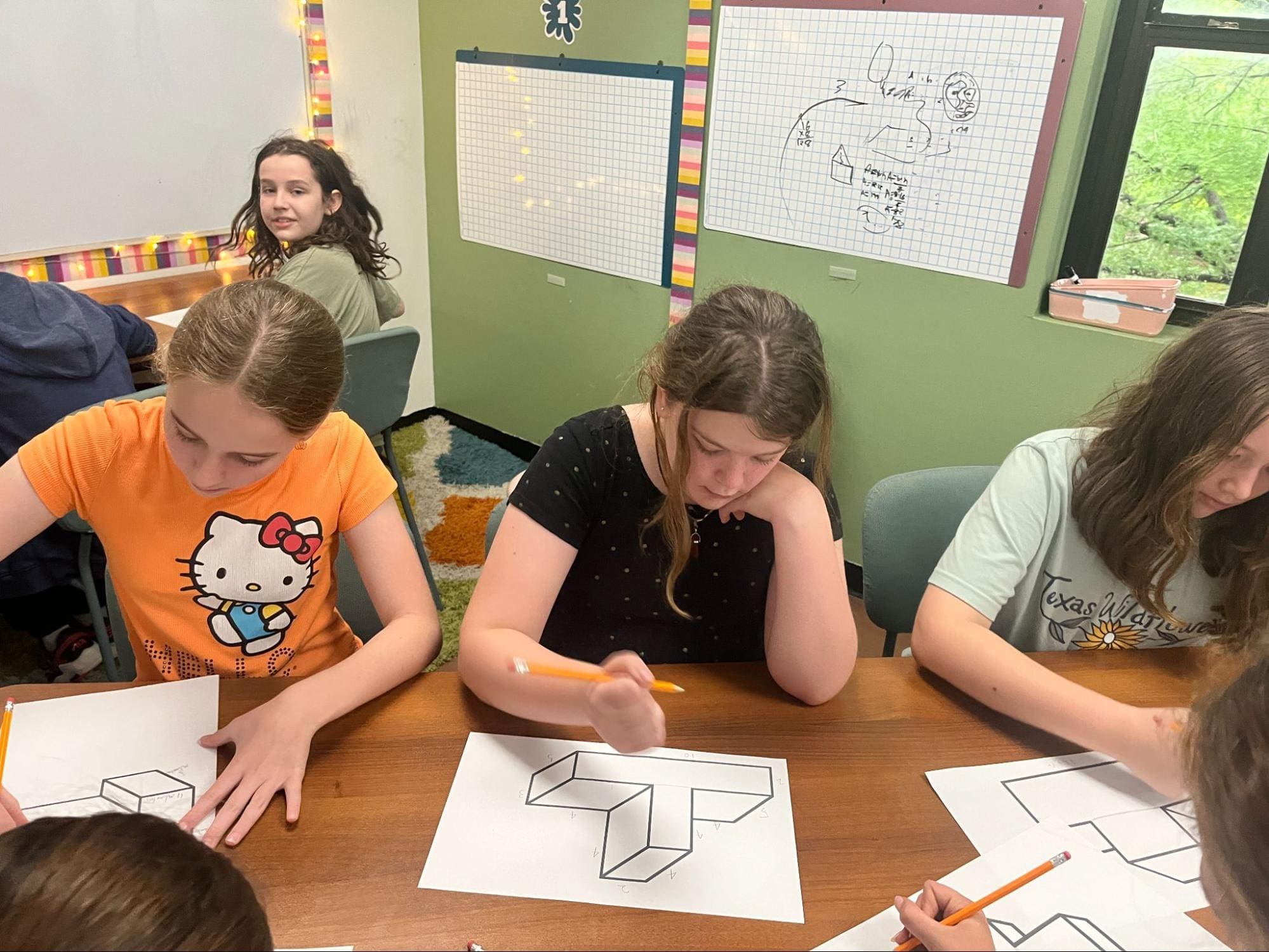
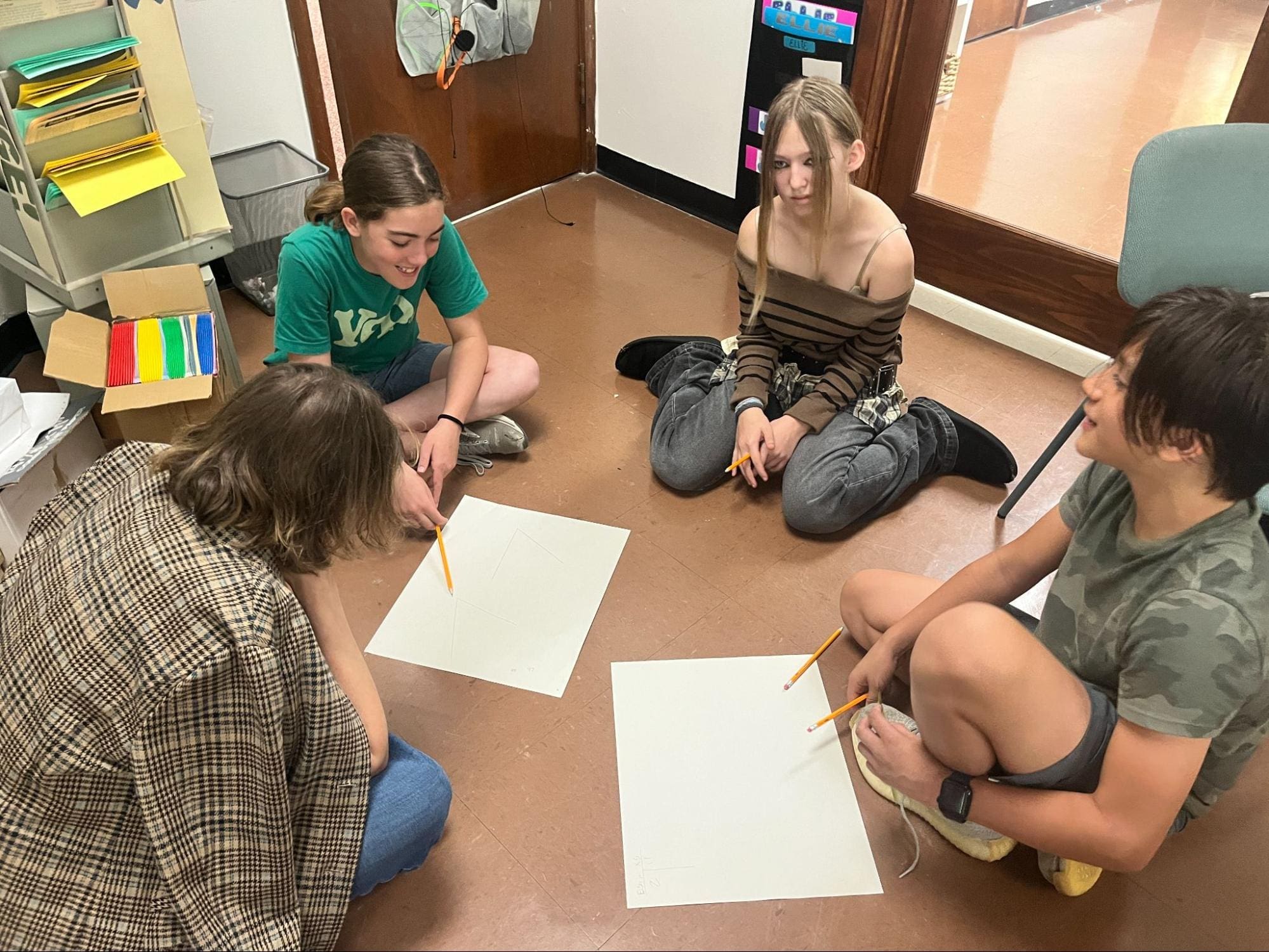
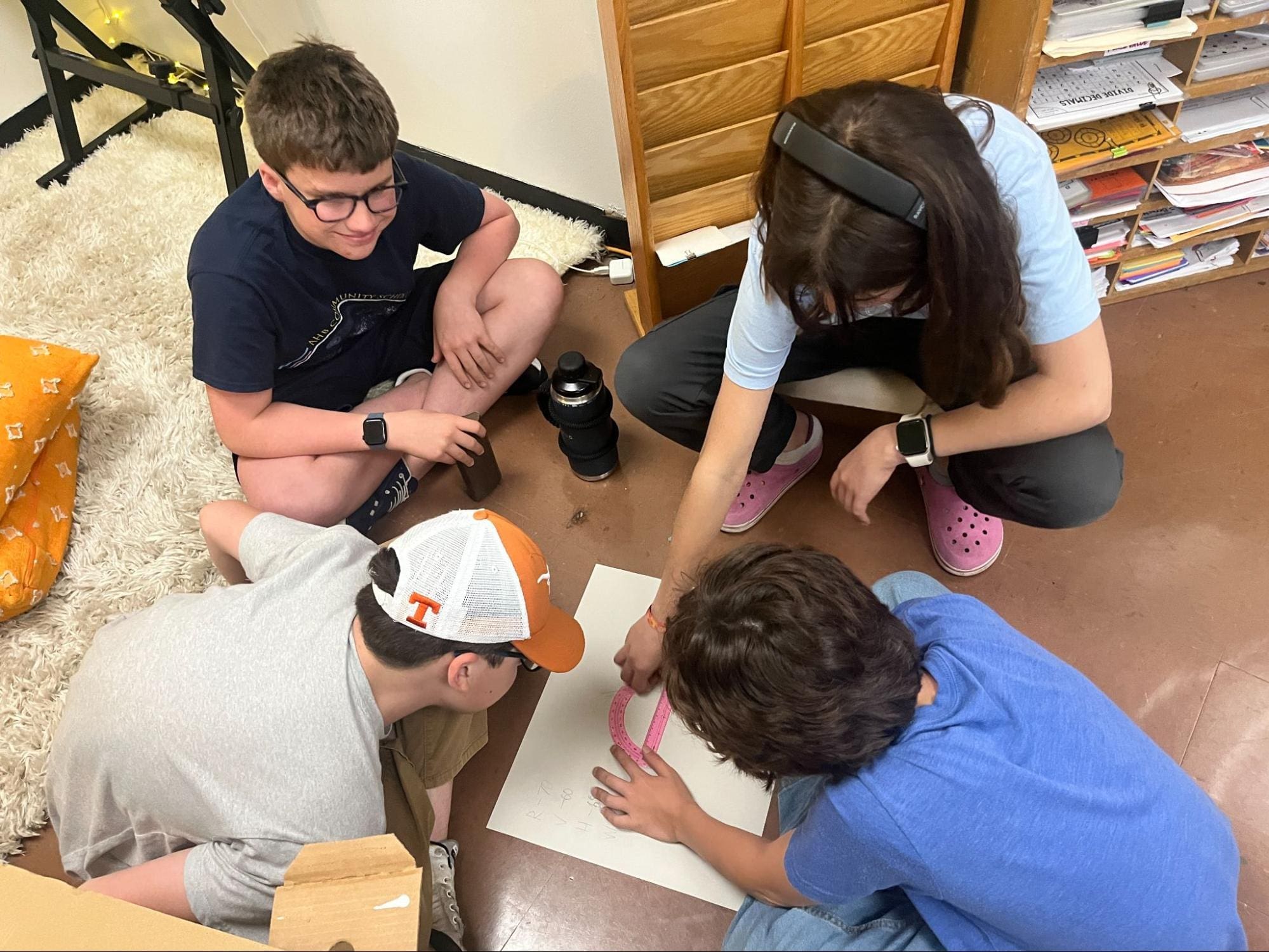
This week in math, our Year 1 students stepped into the world of volume, beginning with hands-on exploration of irregular figures. By carefully counting cubes layer by layer, they built a concrete understanding of how space is filled before transitioning to rectangular prisms, where they began applying volume formulas with growing confidence and precision. Year 2 students took on the challenge of area in more complex forms, starting with composite figures that required thoughtful decomposition and strategy. From there, they learned and practiced the area formulas for parallelograms, triangles, and trapezoids, strengthening both their conceptual understanding and problem-solving flexibility. Next week, we’ll bring these ideas to life through a hands-on building project using cardboard and the BeaverBot, giving students the chance to apply their learning in a creative, real-world context.
Theme
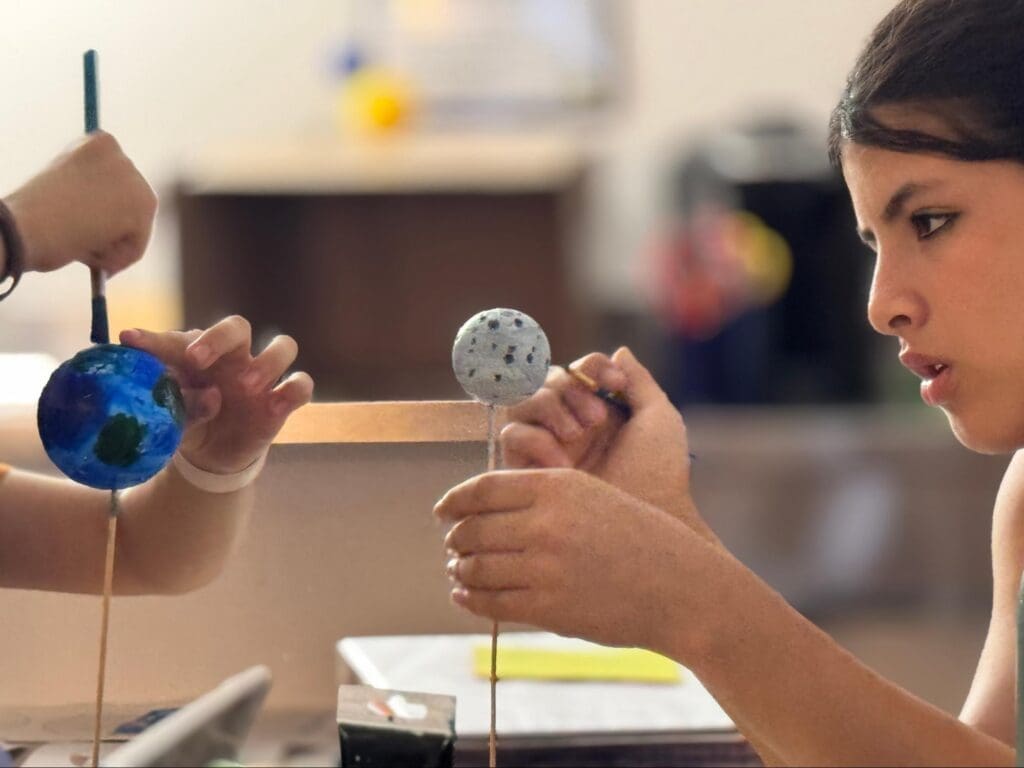
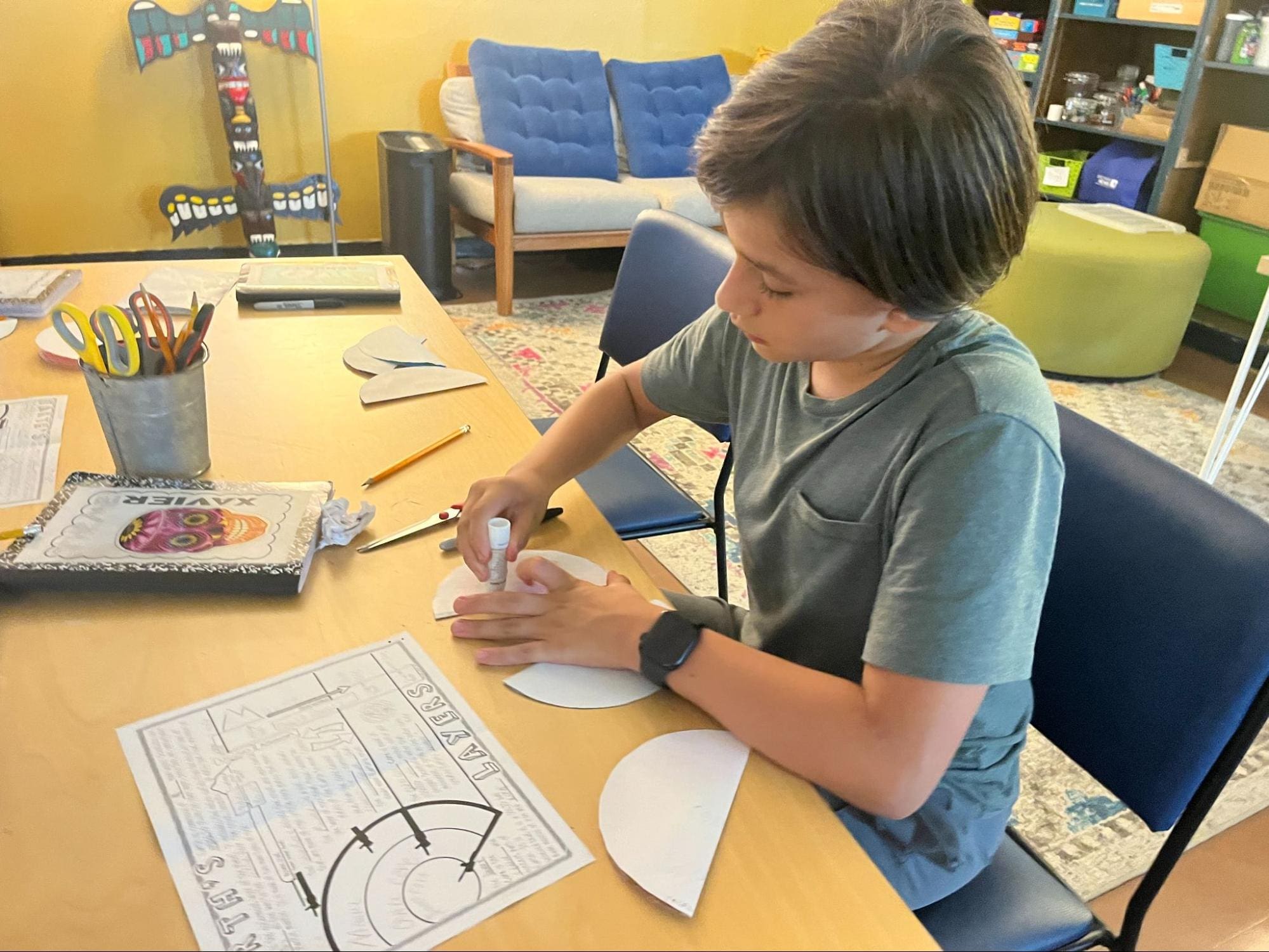
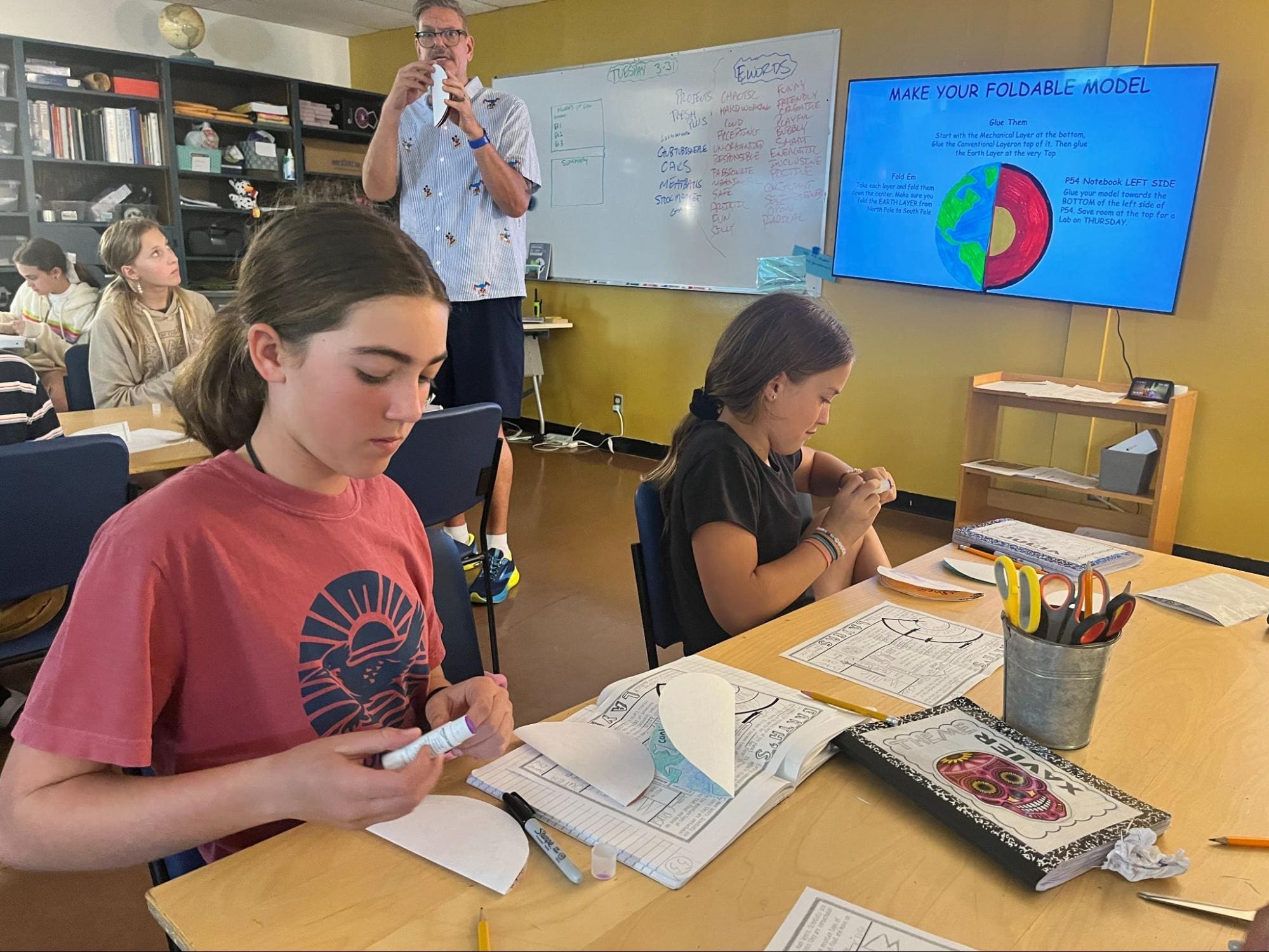
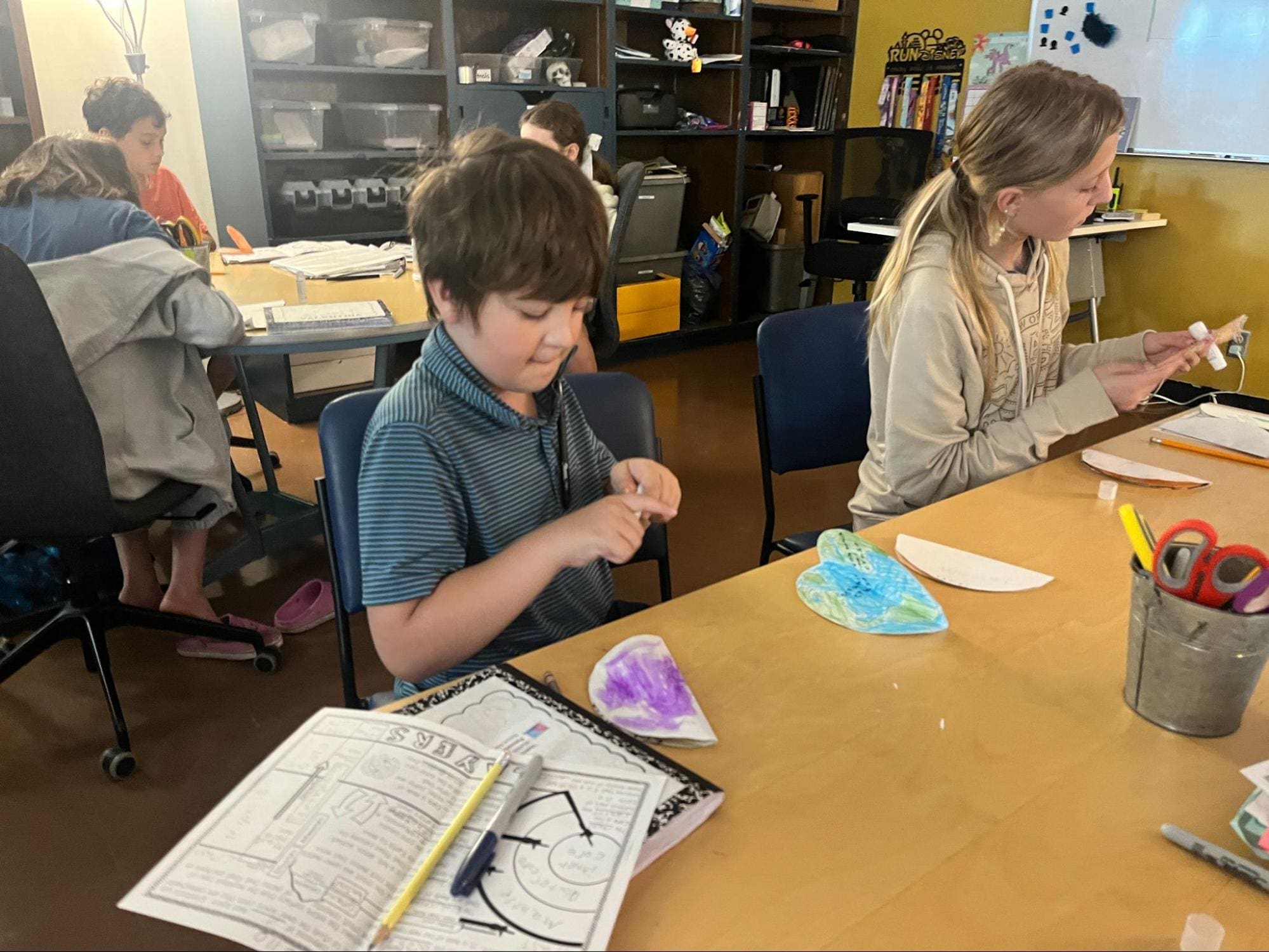
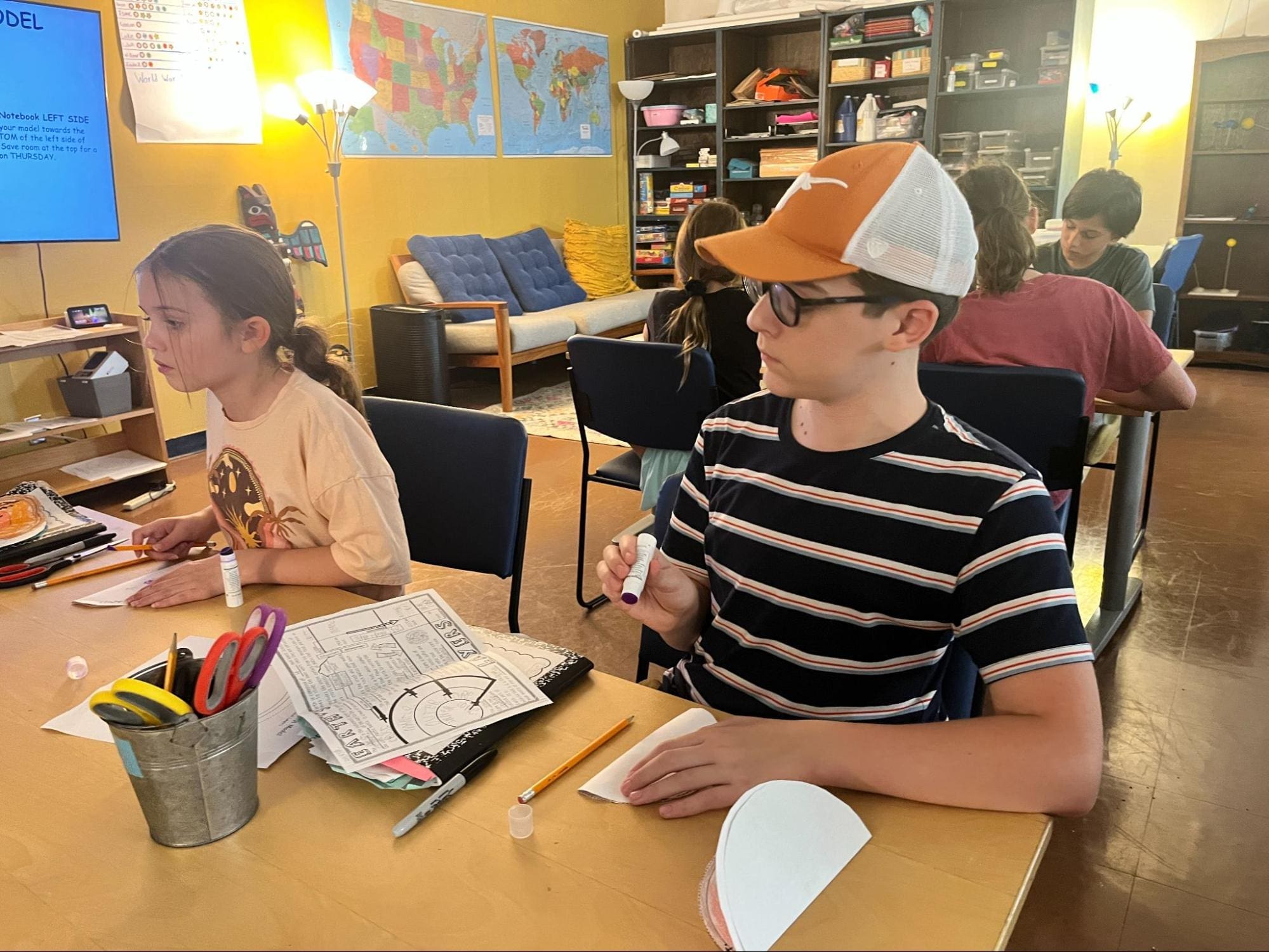
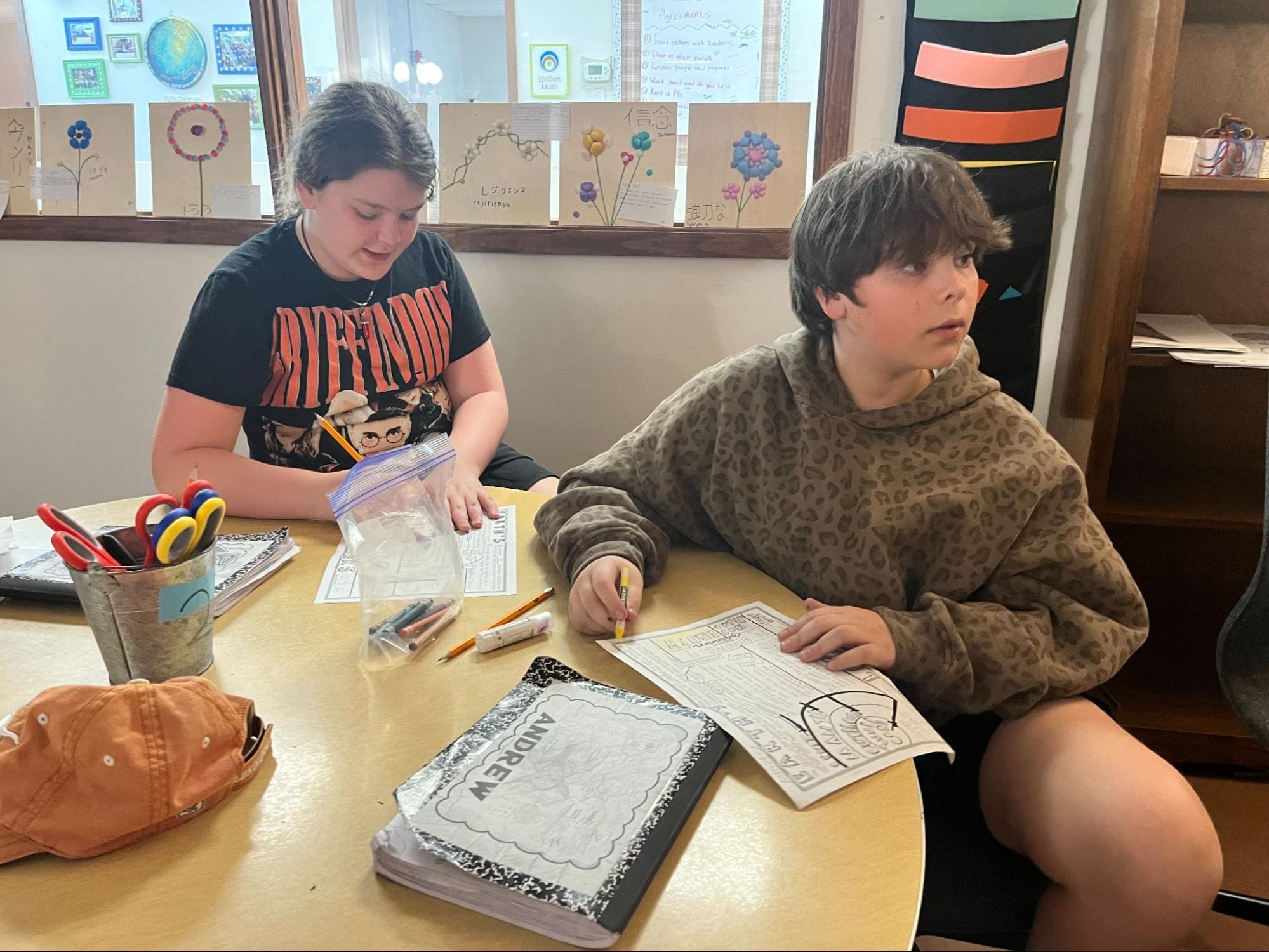
In Theme this week, students continued their Earth Science exploration by digging deeper into the layers of our planet. Through the creation of an interactive flipbook model, they examined the unique properties of each layer—from the crust we live on to the intensely hot inner core—building both understanding and a visual reference they can return to. To close out the week, students stepped into the role of geologists, using sweet treats to simulate plate tectonics. By modeling the movement and interaction of Earth’s plates, they explored concepts like collisions, separation, and shifting boundaries in a hands-on (and memorable!) way.
| 
| |
| 
| 
|
| 
| 
|
|  |  |
| 
| 
|
| 
| 
|
| 
| 
|
| 
| 
|
| 
| 
|
| 
| 
|
| 
|